Caddo Parish Seat on the Red River
Listings in Shreveport, TX
Welcome to Shreveport, the Caddo Parish seat set along the Red River in northwest Louisiana, directly across from Bossier City.
Shreveport is the seat of Caddo Parish in northwest Louisiana, built along the west bank of the Red River directly across from Bossier City. The two cities function as a single urban core — the Shreveport–Bossier City metropolitan area — with a combined population approaching 400,000, while Shreveport itself is home to roughly 177,000 residents. The city sits at the crossroads of Interstate 20, which runs east–west between Dallas and the Deep South, and Interstate 49, which links Shreveport to southern Louisiana and the Gulf Coast. The city's founding is tied directly to the river. In the 1830s, Captain Henry Miller Shreve cleared the Great Raft, a massive logjam that had blocked navigation on the Red River for decades. The Shreve Town Company platted the settlement in 1836 at the meeting point of the newly navigable Red River and the Texas Trail, the overland route into Texas that gave the young town its first commercial purpose. Shreveport incorporated as a town in 1839 and grew through the 19th century as a river port and cotton-shipping center, later adding railroad connections that cemented its role as the commercial hub of the Ark-La-Tex region where Arkansas, Louisiana, and Texas meet. Today the economy rests on several long-standing pillars. Health care is the largest sector, anchored by Willis-Knighton Health System and Ochsner LSU Health Shreveport, the latter combining a teaching hospital with the LSU Health Shreveport medical school. The riverfront casino and hospitality industry — including Bally's Shreveport and Sam's Town — is a significant regional draw, and manufacturing, logistics, and the Port of Shreveport-Bossier on the Red River Waterway add industrial depth. Across the river, Barksdale Air Force Base in Bossier City is one of the region's largest employers and a defining presence for many households. Culturally, Shreveport blends Deep South and western influences. Centenary College of Louisiana and Louisiana State University Shreveport anchor the city's higher-education presence, and institutions such as the R.W. Norton Art Gallery, the Shreveport Symphony, and the Sci-Port Discovery Center give the city a cultural calendar that extends well beyond its size. Cross Lake, an 8,575-acre reservoir on the city's western edge, supplies drinking water and serves as a recreational centerpiece, while the Red River itself offers riverfront trails, kayaking, and seasonal festivals. For homebuyers, Shreveport presents a blend of historic urban neighborhoods, mid-century residential districts, and lakefront living.
Get more information about Shreveport
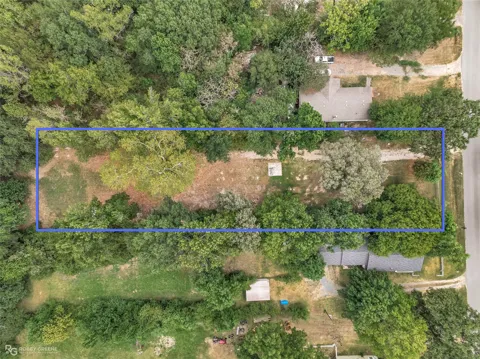
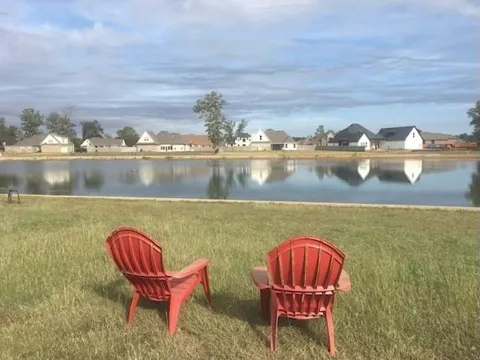
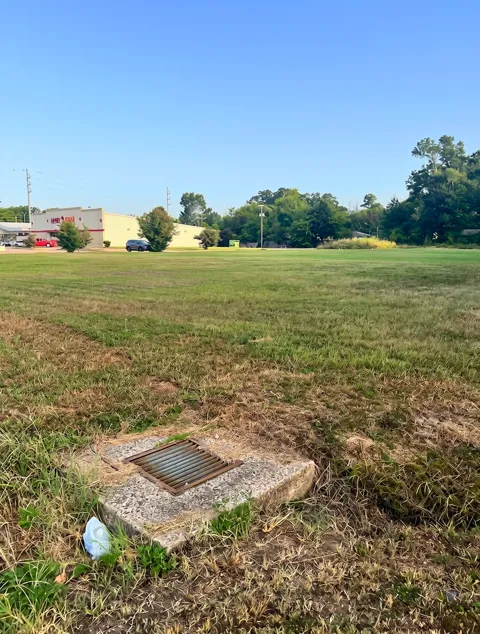
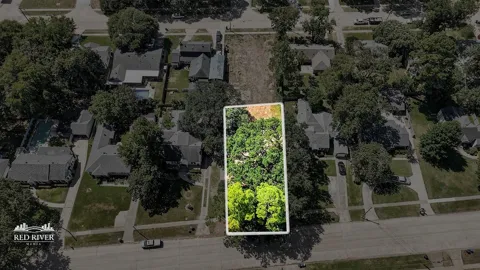
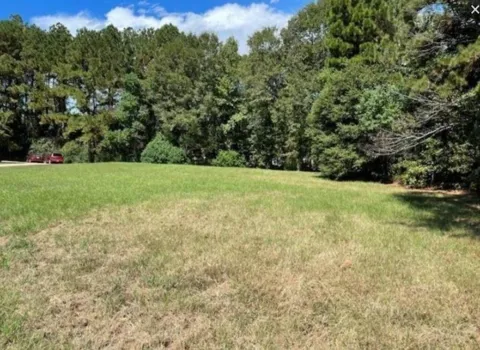
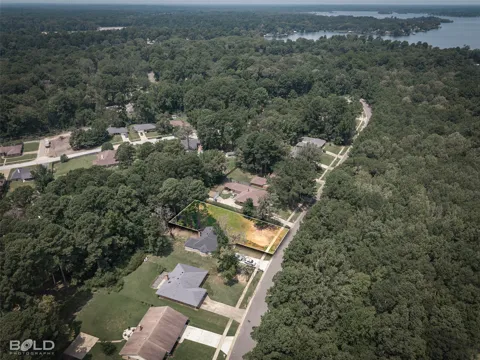
 4 photos
Houses in Shreveport, TX
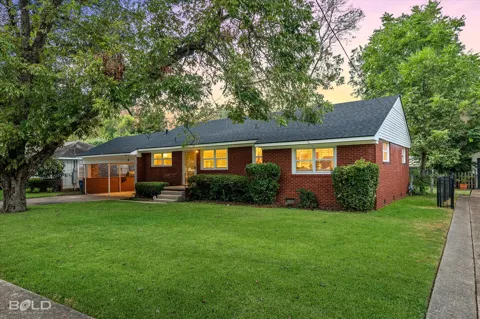
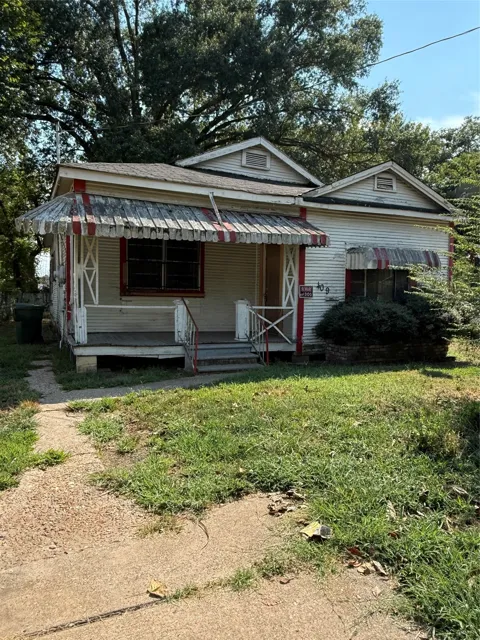
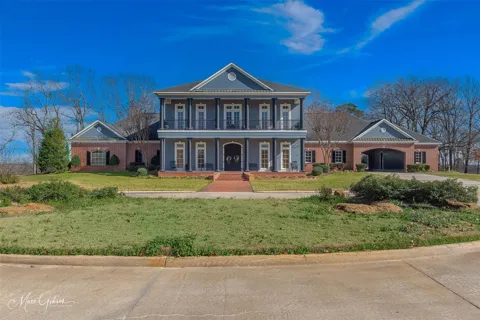
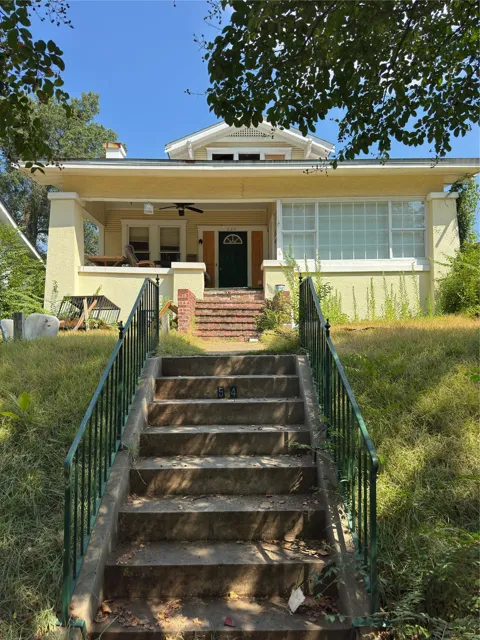
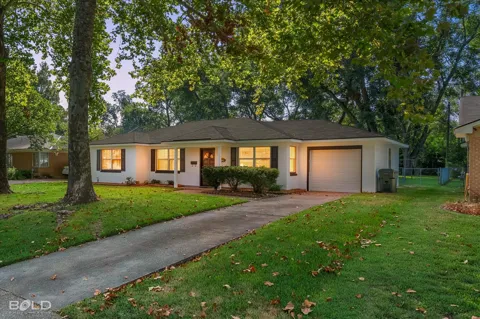
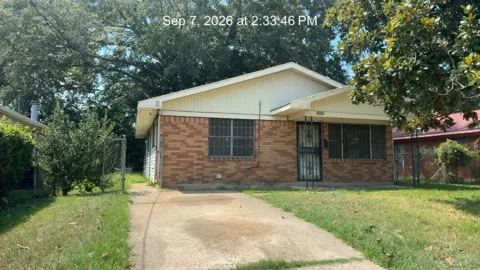
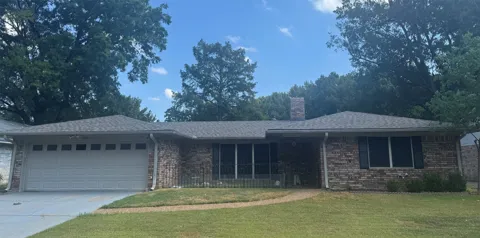
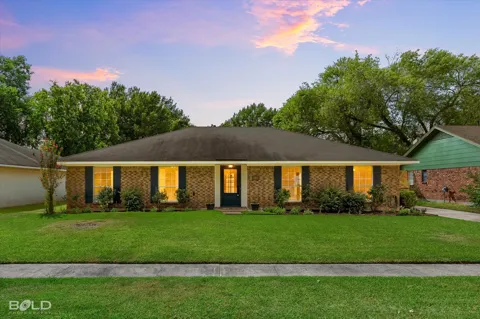
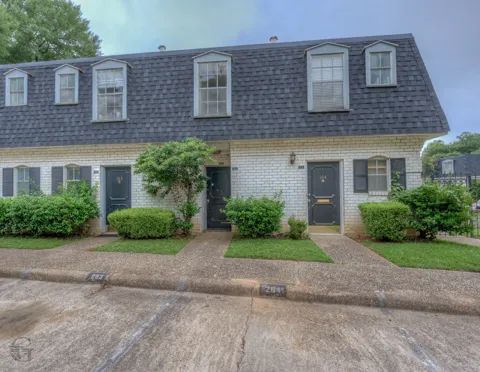
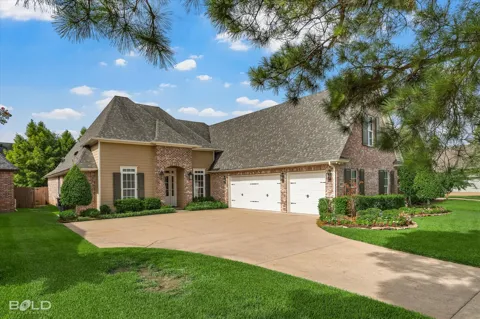
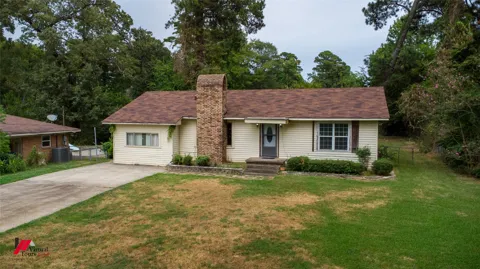
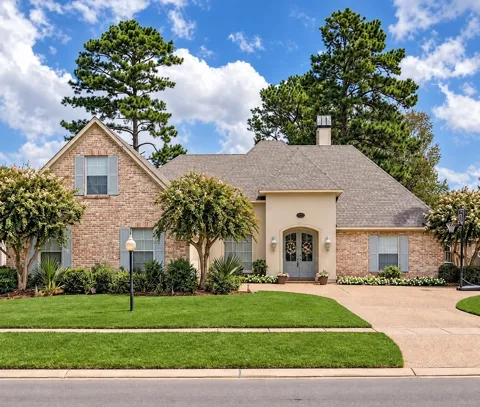
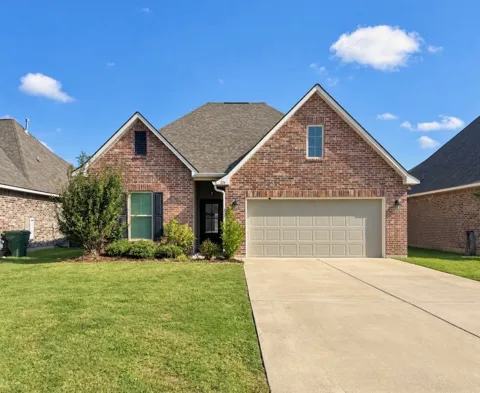
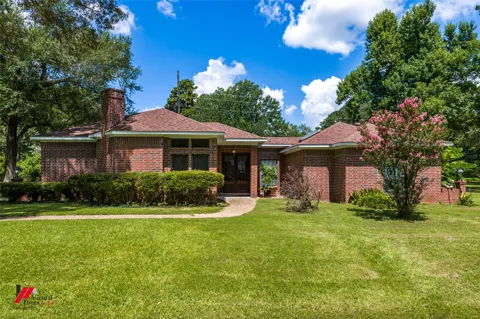
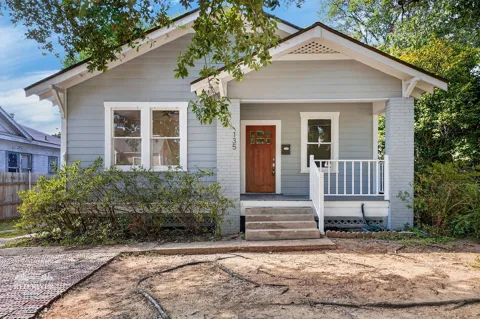
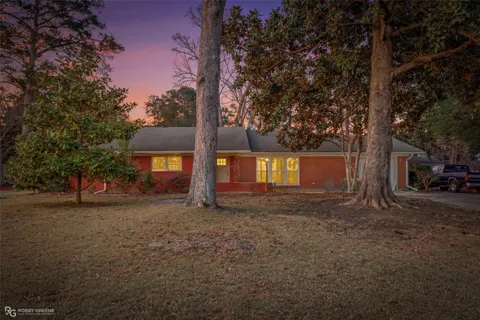
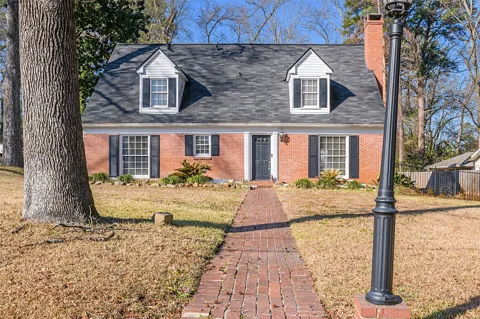
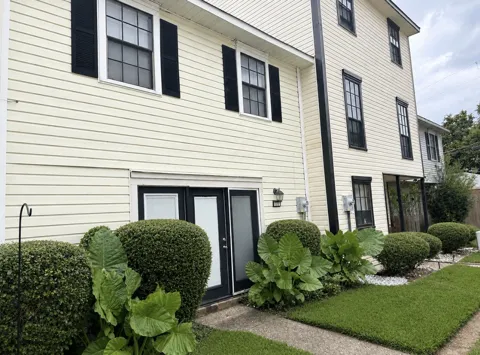
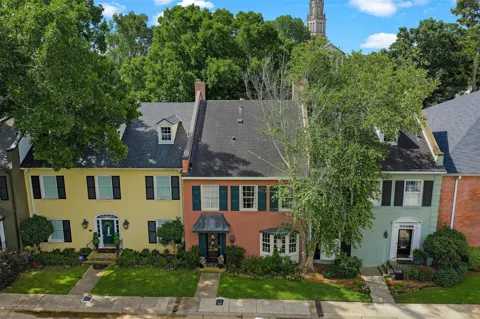
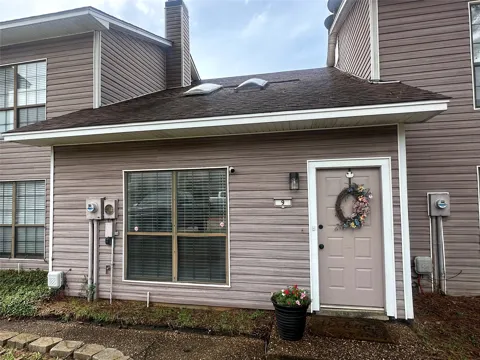
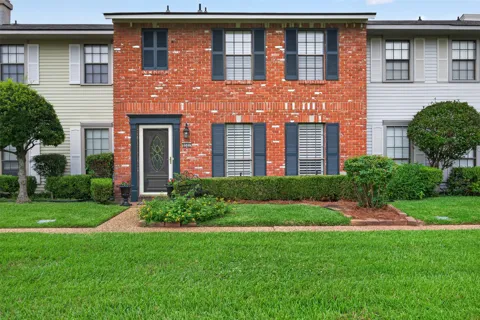
Townhouses & Duplexes in Shreveport, TX
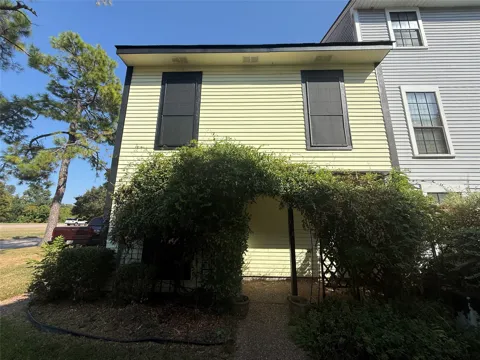
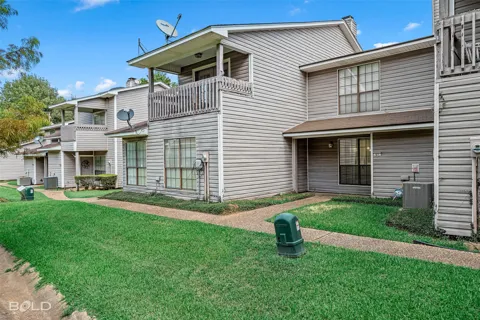
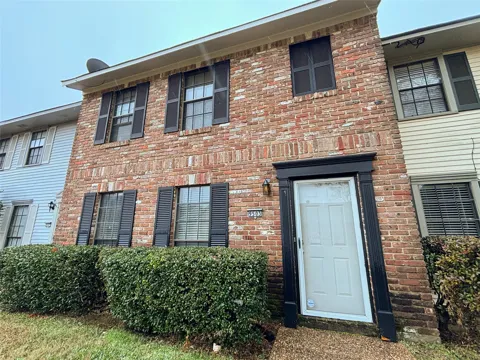
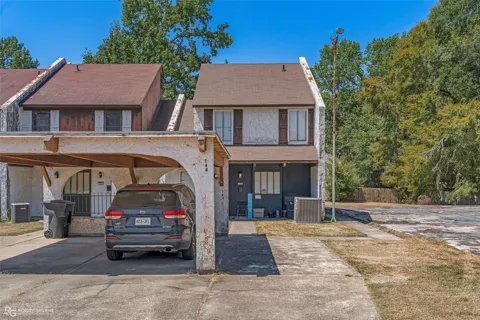
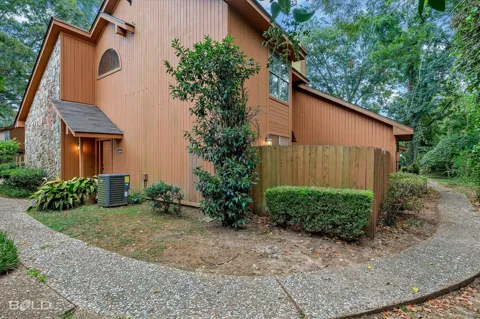
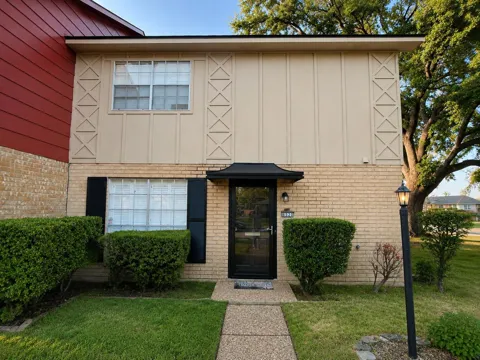
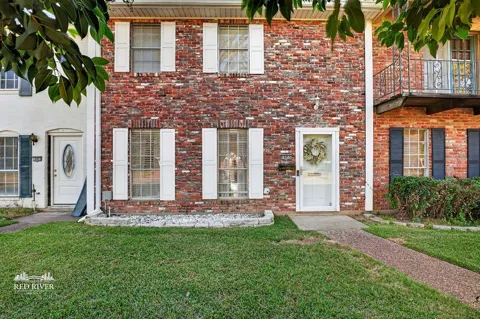
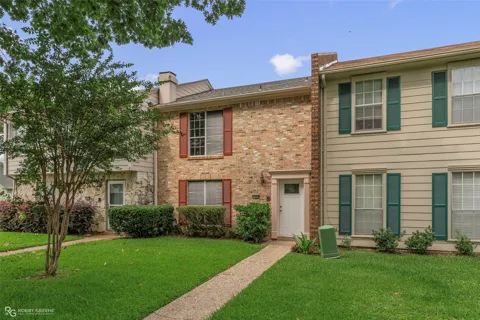
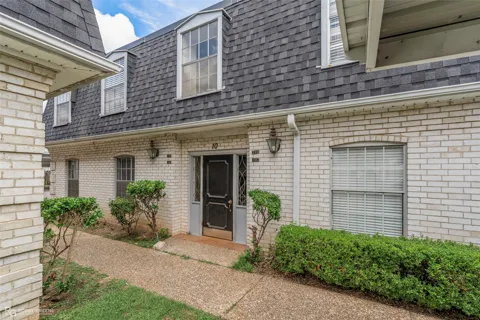
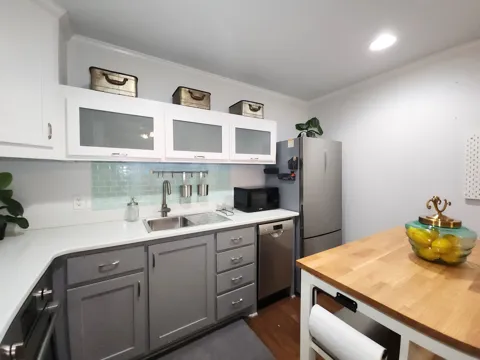
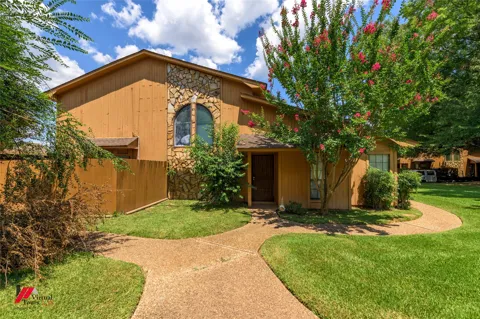
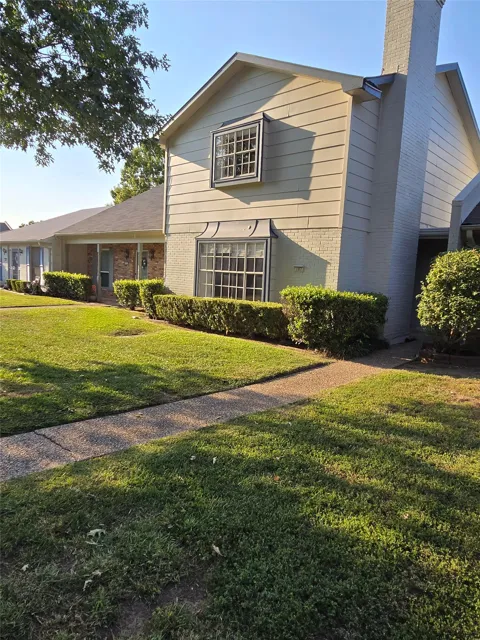
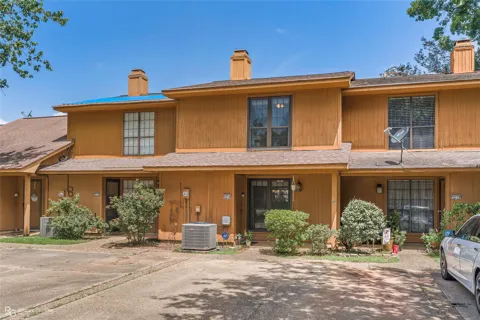
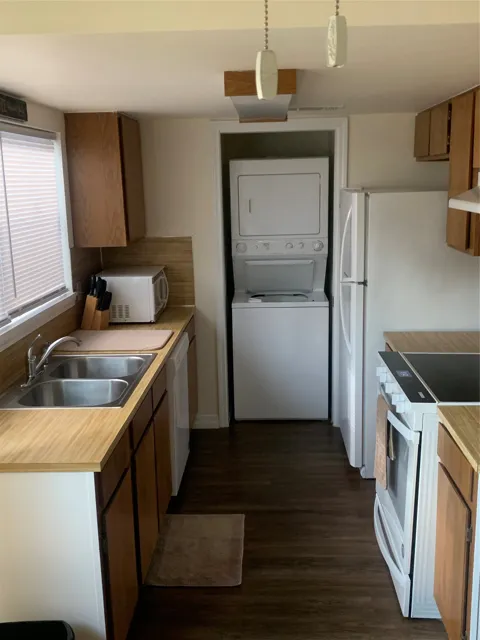
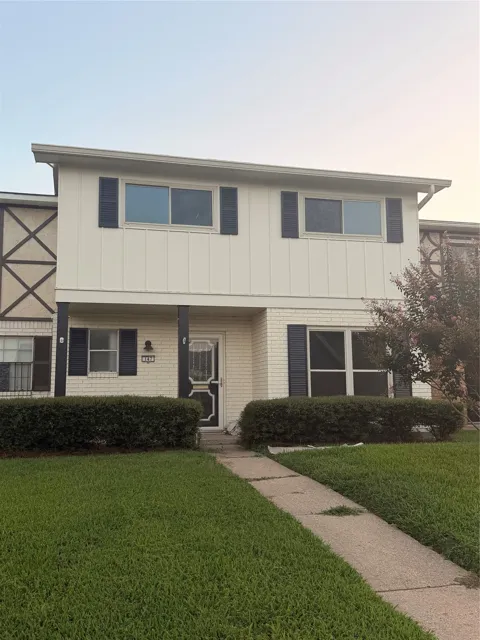
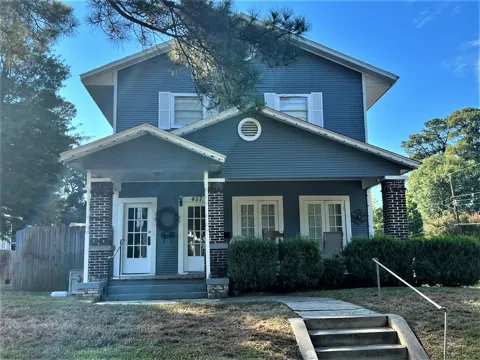
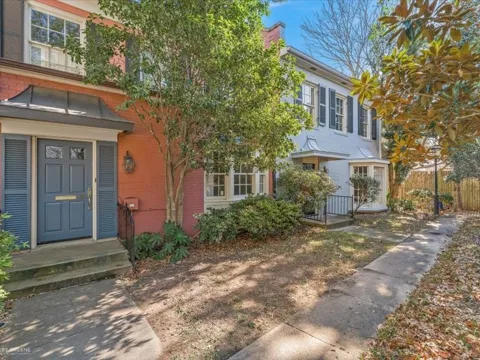
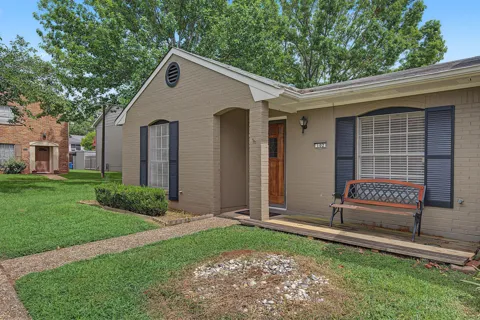
Condos & Apartments in Shreveport, TX
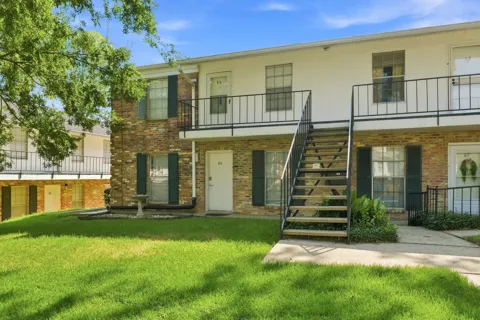
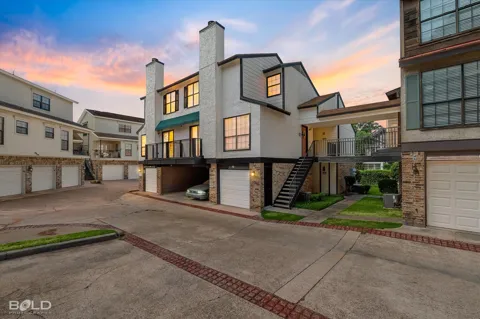
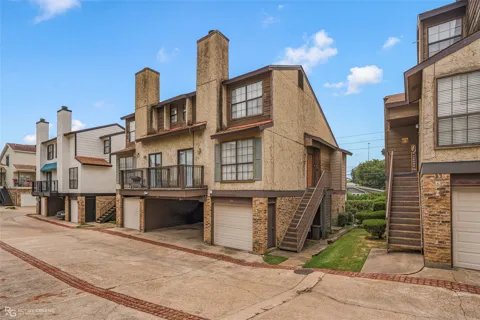
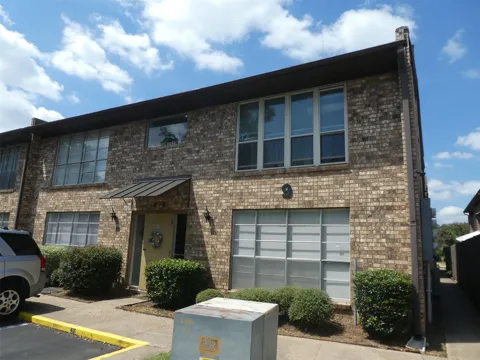
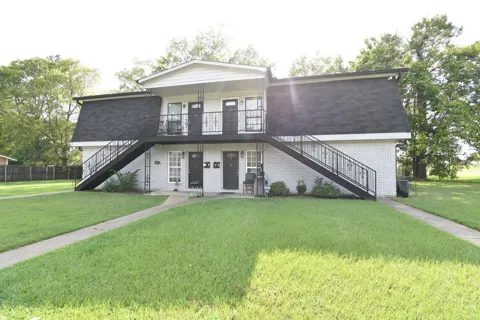
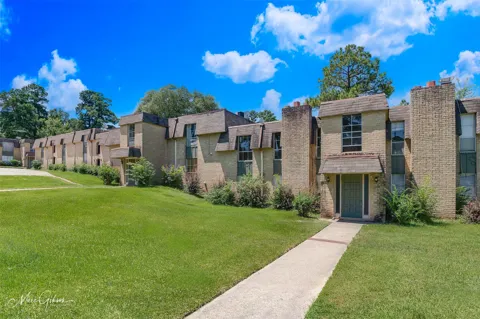
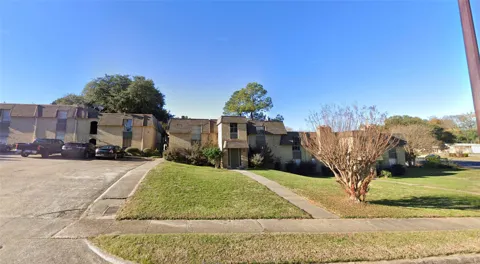
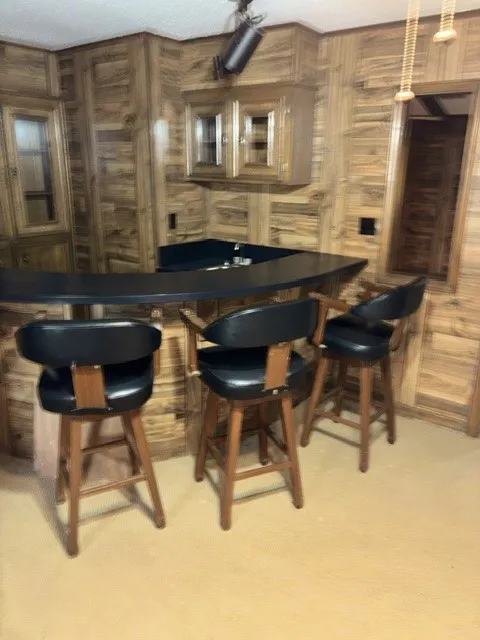
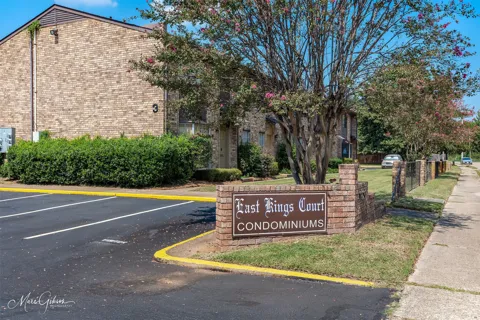
For Rent in Shreveport, TX
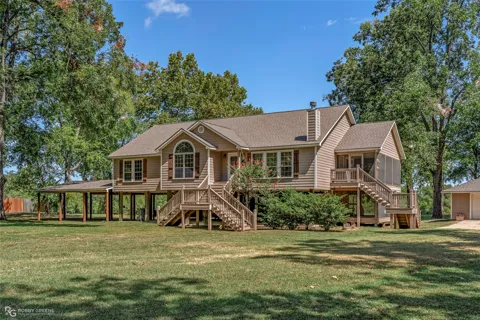
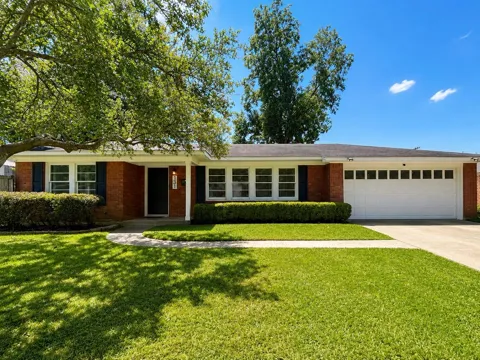
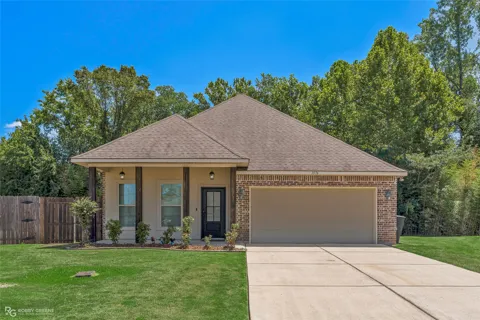
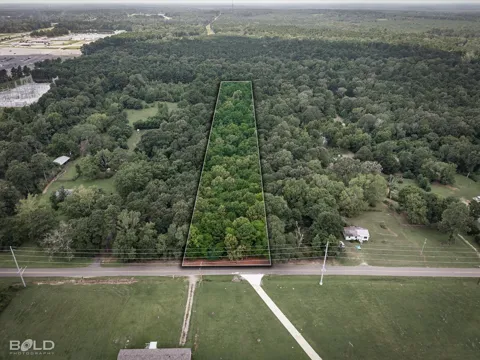
Lots & Land in Shreveport, TX
MARKET SNAPSHOT
The Market at a Glance
How homes have been selling here over the last 90 days.
Price & Sales History
Market data reflects closed sales over the last 90 days and is provided for informational purposes.
Zip Codes
BROWSE BY ZIP
Browse listings by postal code in this area.

City Guide
About Shreveport
Real Estate & Housing
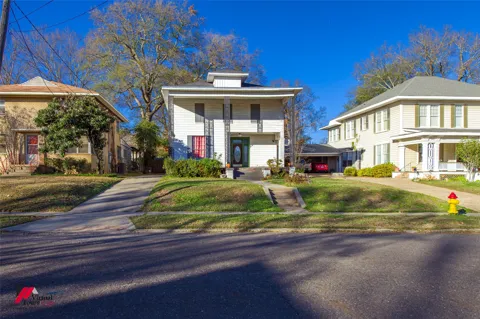
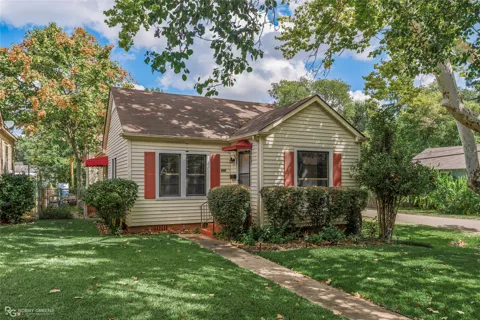
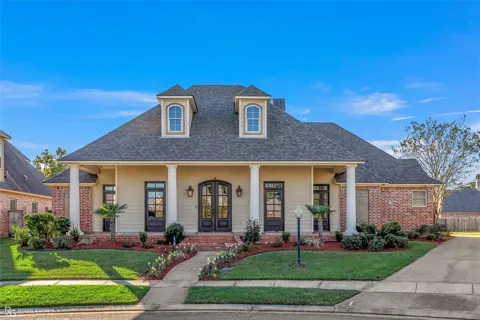
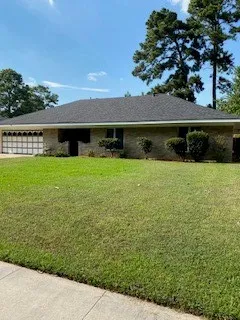
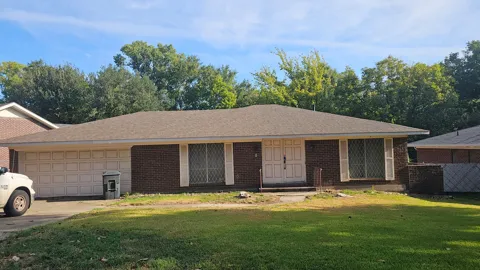
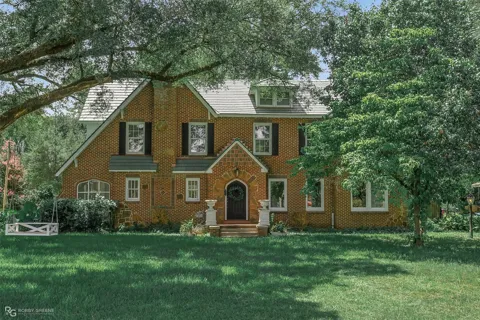
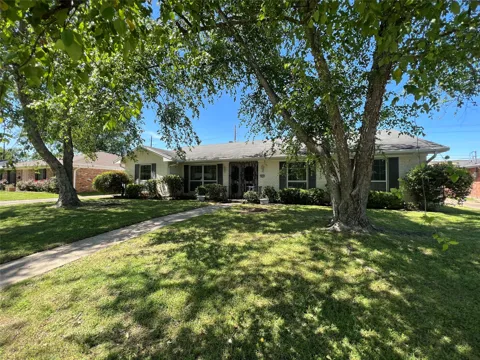
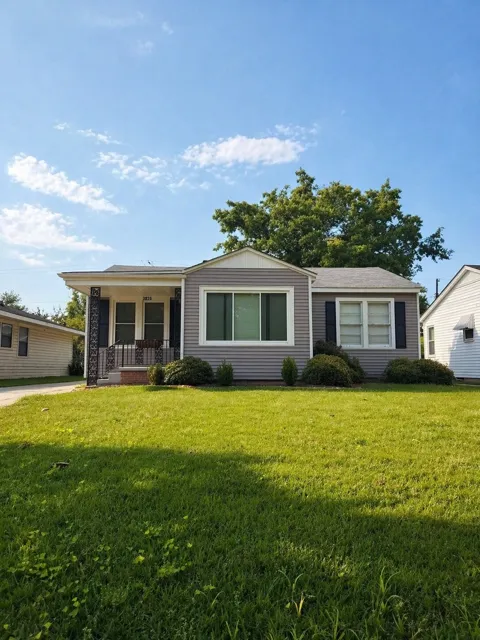
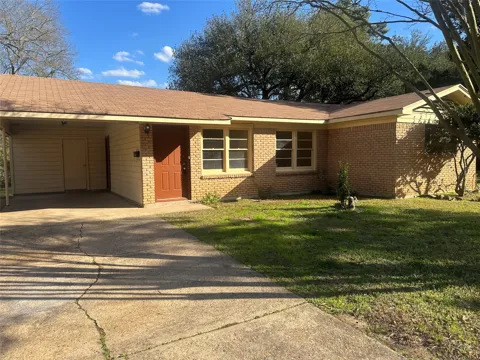
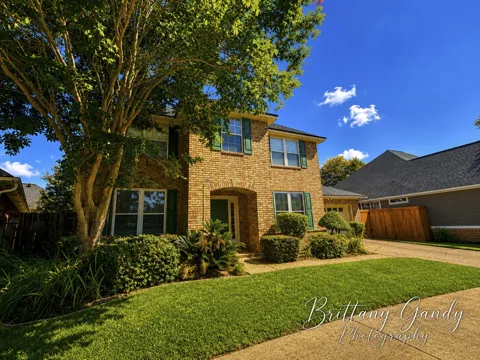
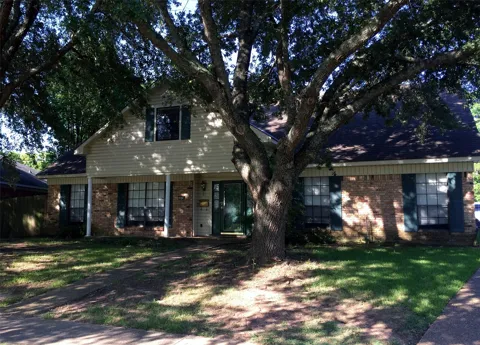
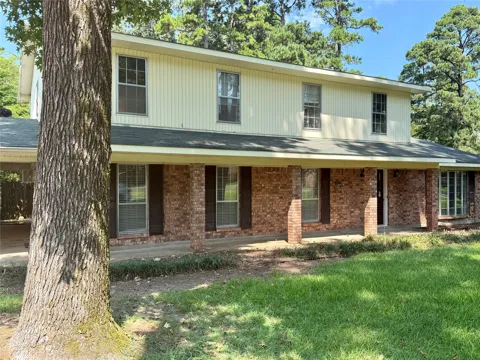
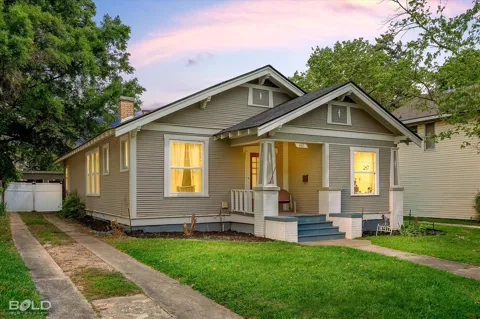
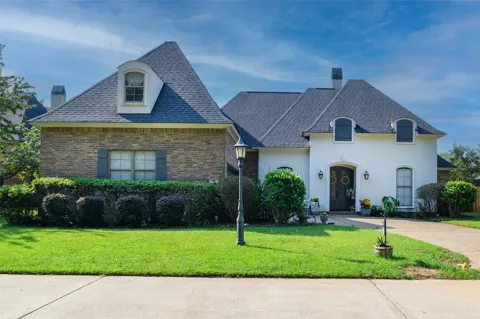
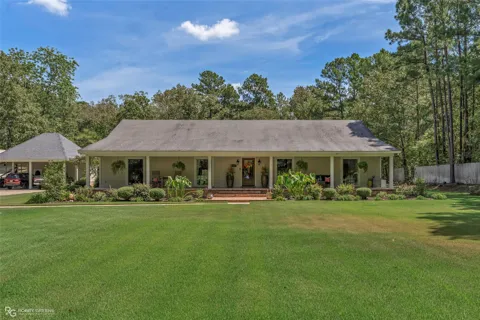
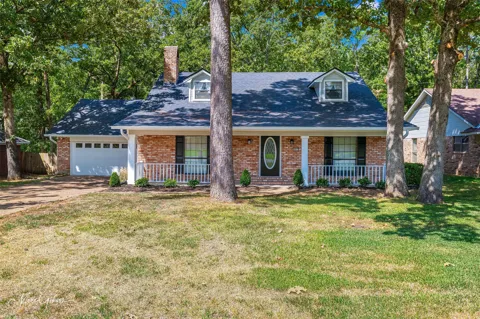
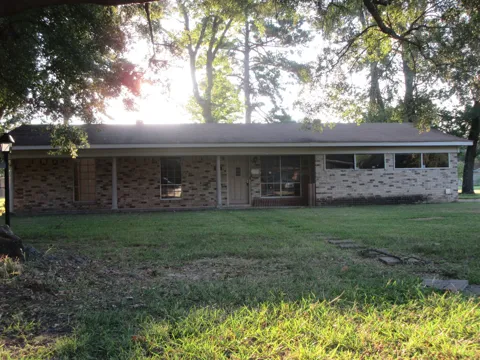
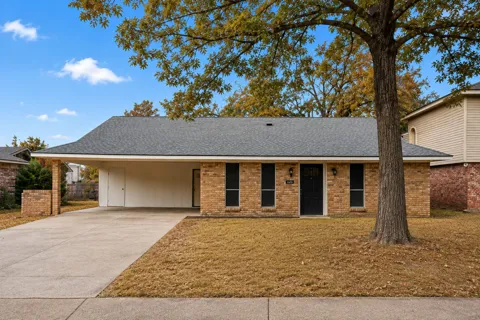
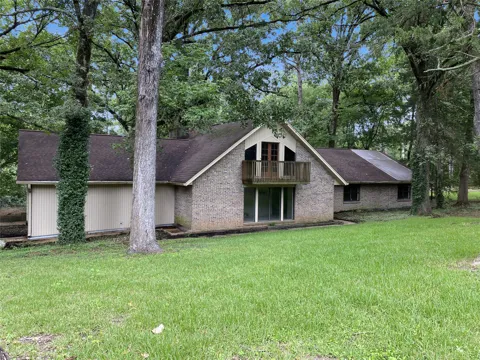
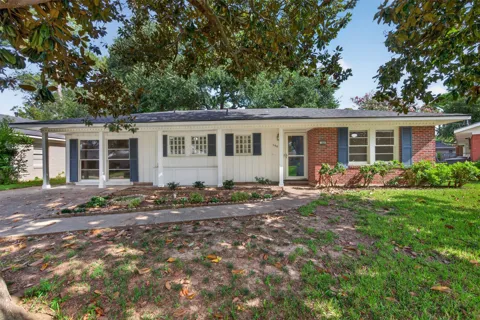
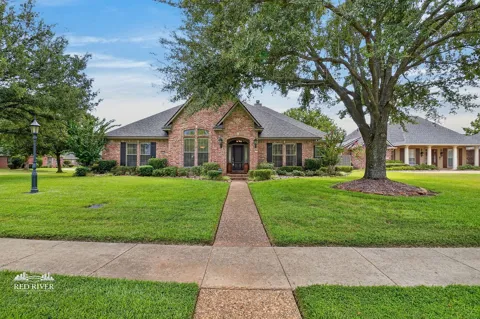
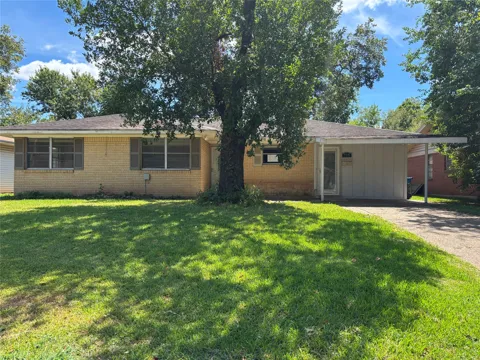
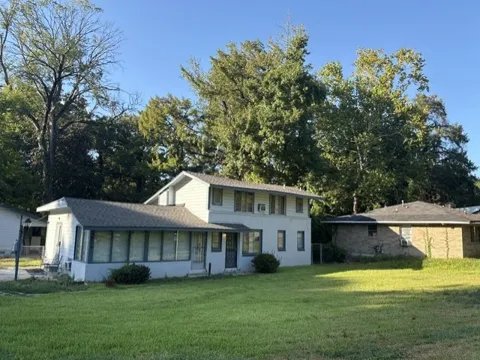
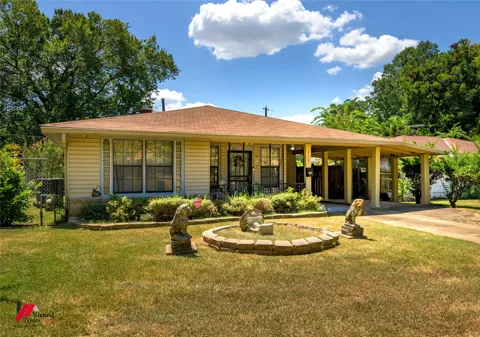
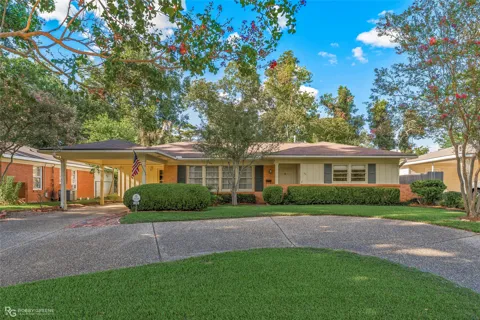
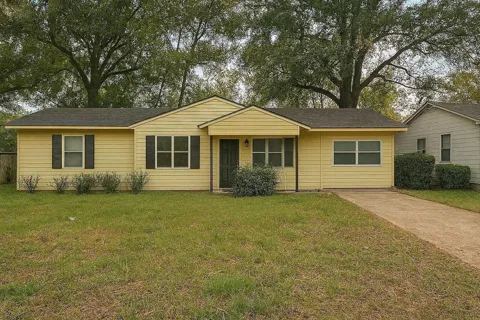
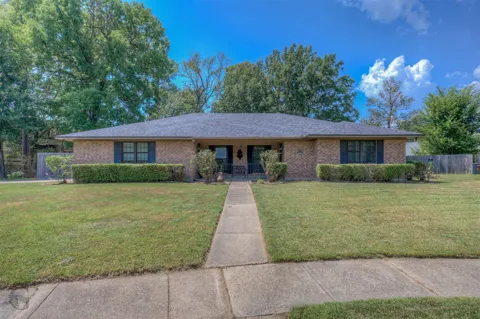
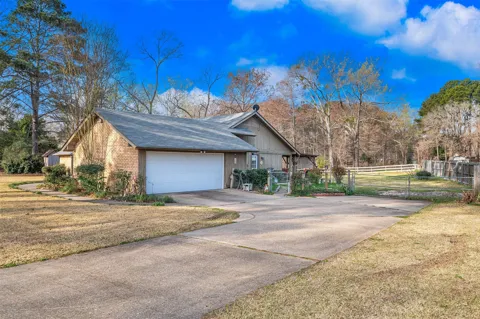
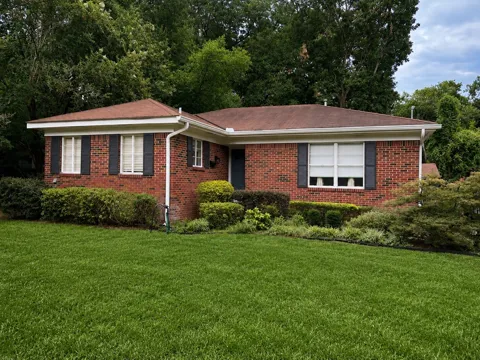
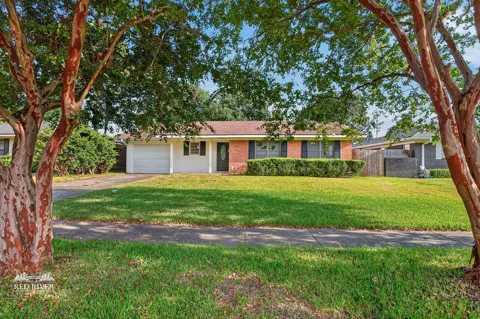
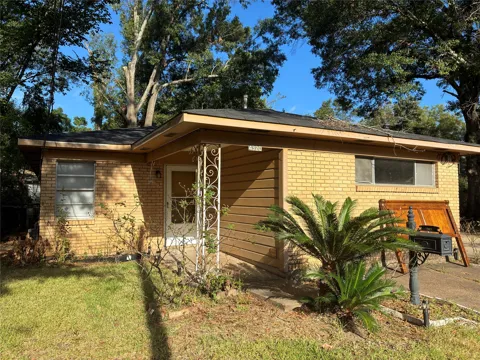
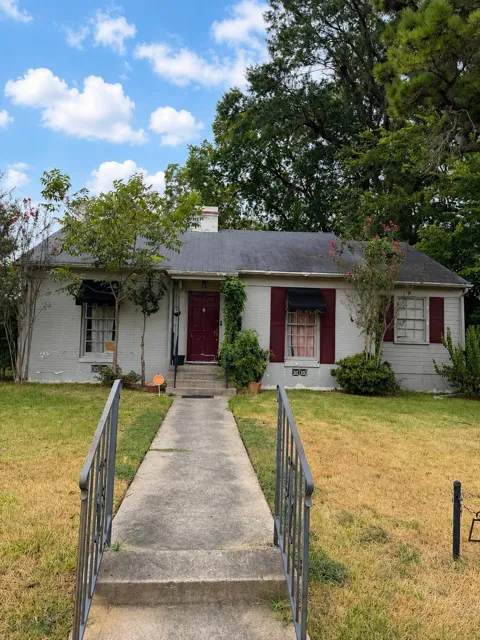
Shreveport's housing stock spans more than a century and a half of construction. The oldest neighborhoods near downtown — Highland, Fairfield, and South Highlands — contain Craftsman bungalows, Colonial Revival houses, and early-20th-century frame homes, several of which sit within local historic districts. The mid-century boom produced expansive ranch-style and split-level subdivisions such as Broadmoor and Southern Hills, characterized by generous lots, mature trees, and established landscaping. Along the shoreline of Cross Lake, residential development ranges from mid-century cottages to larger custom homes with private docks and lake access. Development on the city's southern and western edges skews toward newer single-family subdivisions. Because Shreveport's housing stock is older and largely established, the market's character is defined by renovation of historic and mid-century homes rather than large-scale new construction, with lakefront and historic-district properties representing distinctive segments of the market.
Neighborhoods
Broadmoor, developed largely after World War II, is one of Shreveport's best-known residential districts, with tree-lined streets and ranch-style homes that remain popular with families. The adjacent South Highlands and Fairfield areas hold some of the city's most substantial early-20th-century houses, while the Highland neighborhood near downtown features restored bungalows and an active neighborhood association. Along the western edge of the city, South Lakeshore and other Cross Lake communities offer lakefront living with boating access and water views. Southern Hills, in the southern part of the city, grew up around the mid-century Southern Hills Park and its community center and remains a family-oriented district. Downtown Shreveport has added residential conversions in recent decades, placing residents within walking distance of the riverfront, theaters, and the central business district.
Lifestyle in Shreveport
Life in Shreveport revolves around the Red River and a calendar of regional festivals. The riverfront entertainment district, with its casinos and hotels, anchors the downtown economy, while across the river the Louisiana Boardwalk in Bossier City adds shopping and dining. Annual events include Mudbug Madness, one of the largest crawfish festivals in the region, and the State Fair of Louisiana, which has drawn crowds for more than a century. The city's cultural institutions include the R.W. Norton Art Gallery, the Shreveport Symphony Orchestra, and the Sci-Port Discovery Center, a science museum on the riverfront. Dining runs from traditional Southern and Cajun cooking to barbecue and po-boy shops, reflecting the city's position where the Deep South meets Texas. Collegiate life at LSU Shreveport and Centenary College contributes concerts, lectures, and athletics to the community calendar.
Schools & Education
Public education in Shreveport is provided by Caddo Parish Public Schools, a district serving all of Caddo Parish with roughly 58 schools and about 35,000 students. The district operates magnet programs, including the highly regarded Caddo Parish Magnet High School, and several of its schools have earned National Blue Ribbon recognition. Families also have access to a range of private and parochial schools across the city. For higher education, Shreveport is home to Louisiana State University Shreveport, a public four-year university, and Centenary College of Louisiana, a private liberal arts college, as well as LSU Health Shreveport, which combines medical education with a major teaching hospital that anchors the regional health care sector.
Getting Around
Shreveport sits at a key interstate junction. Interstate 20 carries traffic east–west between Dallas–Fort Worth and points east, while Interstate 49 connects the city north toward the Arkansas line and south toward central Louisiana, with Interstate 220 forming a northern loop around the urban core. Shreveport Regional Airport (SHV) offers commercial service with dozens of daily departures, and Shreveport Downtown Airport (DTN) handles general aviation. The Port of Shreveport-Bossier, on the Red River Waterway south of the city, provides barge, rail, and freight access, and both Union Pacific and Kansas City Southern operate Class I rail service through the metro area. Public transit is provided by SporTran, the regional bus system serving Shreveport and Bossier City.
Parks & Recreation
Cross Lake is Shreveport's signature outdoor destination, an 8,575-acre reservoir with moss-draped cypress along its banks that draws anglers, boaters, and shoreline residents. The Red River offers additional waterfront recreation, including riverfront trails, kayak launches, and the Red River National Wildlife Refuge, which protects bottomland habitat on the city's southern edge. Within the city, the parks system operated by SPAR (Shreveport Public Assembly and Recreation) maintains community parks, recreation centers, and athletic facilities across dozens of sites, including Southern Hills Park and Querbes Park. Walter B. Jacobs Memorial Nature Park offers forested hiking trails in the northern part of Caddo Parish. Golf courses, disc golf, and youth sports leagues round out the outdoor landscape.
About Shreveport
Frequently asked questions
What parish is Shreveport in?
Shreveport is the seat of Caddo Parish, which functions as the county government in Louisiana's parish system. The city sits in the northwest corner of the state along the Red River, directly across from Bossier City in neighboring Bossier Parish.
Is Shreveport in Texas or Louisiana?
Shreveport is in northwest Louisiana, not Texas. The city sits about 20 miles from the Texas state line, and its early growth was tied to the Texas Trail, which may be a source of confusion. Shreveport anchors the Ark-La-Tex region where Arkansas, Louisiana, and Texas converge.
What school district serves Shreveport?
Caddo Parish Public Schools serves all of Shreveport and Caddo Parish. The district operates roughly 58 schools enrolling about 35,000 students, and it includes magnet programs such as Caddo Parish Magnet High School as well as several National Blue Ribbon schools.
What is Shreveport known for?
Shreveport is known for its location on the Red River, the 8,575-acre Cross Lake reservoir, a health-care economy anchored by Willis-Knighton and Ochsner LSU Health, and riverboat gaming. It is also home to Centenary College and LSU Shreveport.
How far is Shreveport from Dallas?
Shreveport is roughly 190 miles east of downtown Dallas along Interstate 20, typically about a three-hour drive by car. New Orleans lies about 300 miles to the south, reached via Interstate 49 and Interstate 10, making Shreveport a well-positioned crossroads of the Ark-La-Tex region.
Does Shreveport have an airport?
Yes. Shreveport Regional Airport (SHV) offers commercial airline service with dozens of daily arrivals and departures, while Shreveport Downtown Airport (DTN) handles general aviation and private flights. The airport sits near the junction of Interstates 20 and 49 for convenient regional access.
Still have questions about Shreveport?
Get in touchExplore the area