Sports Hub of North Dallas
Listings in Frisco, TX
Welcome to Frisco, a fast-growing Collin and Denton county city in the Dallas–Fort Worth metroplex and home to The Star.
Frisco is a city in Collin and Denton counties in the northern Dallas–Fort Worth metroplex, positioned about 25 miles north of downtown Dallas and a similar distance from both Dallas Love Field and Dallas/Fort Worth International Airport. Its 2020 census population of about 200,500 made it one of the largest suburbs in the region, and its trajectory since then has kept it among the fastest-growing cities in the United States. That growth transformed Frisco from a modest rail-era settlement into a major employment, sports, and residential destination. The city's modern identity is inseparable from its sports economy. In 2013, Frisco partnered with the Dallas Cowboys to build The Star, a 91-acre campus that serves as the team's world headquarters and practice facility, alongside the Ford Center, a shared indoor venue. Frisco is also home to FC Dallas's Toyota Stadium and the National Soccer Hall of Fame, the Dallas Stars' practice facility at the Comerica Center, and a steady calendar of collegiate championships and youth tournaments. This concentration of professional and amateur athletics has made Frisco a genuine destination city and an anchor for hospitality, retail, and office development. Education is a second pillar. Frisco Independent School District serves the majority of the city with about 77 schools and more than 66,000 students, consistently earning the state's highest accountability ratings. The district's reputation is a primary driver of the city's residential appeal and is reinforced by the presence of the University of North Texas at Frisco and other higher-education partners that have established a footprint in the city. Residentially, Frisco is defined by master-planned communities — Fields, a 2,545-acre plan, and Chapel Creek among them — that integrate homes, trails, amenity centers, and commercial space. The Dallas North Tollway and Sam Rayburn Tollway provide the primary transportation spine, and the city is building toward Grand Park, a planned 1,011-acre urban park along the tollway. For homebuyers, Frisco offers newer construction, strong schools, and a self-contained mix of work, recreation, and retail, all within commuting reach of the wider Dallas–Fort Worth economy.
Get more information about Frisco

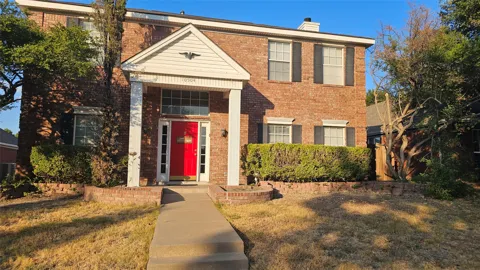
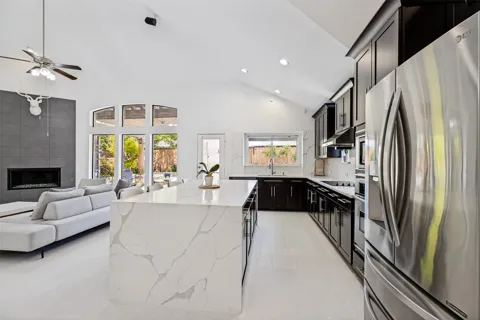
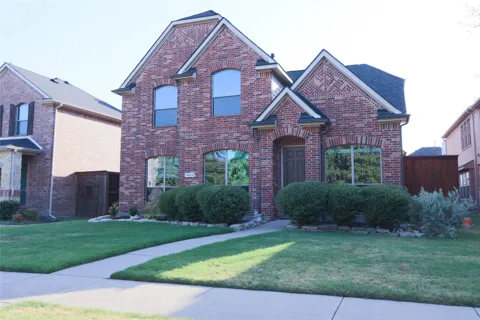
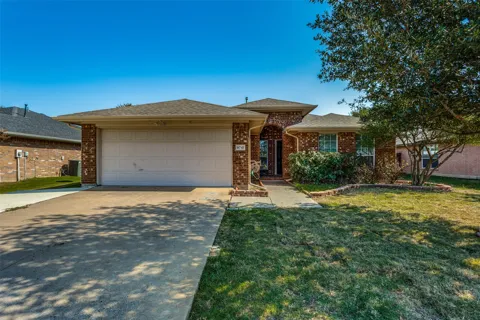
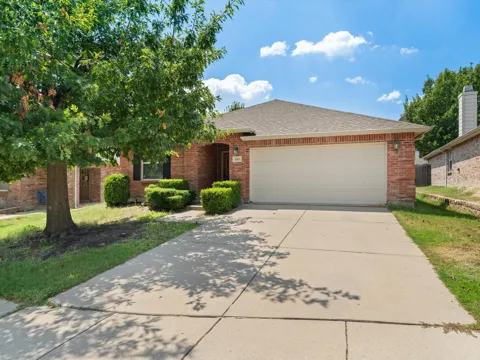
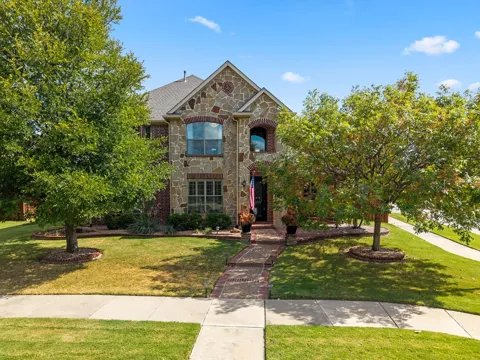
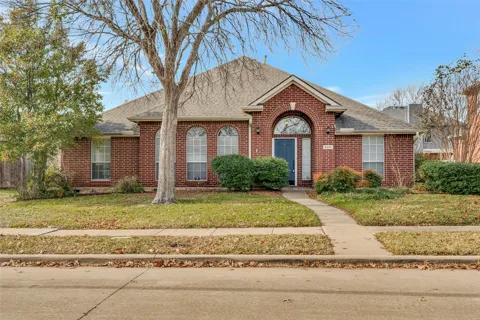
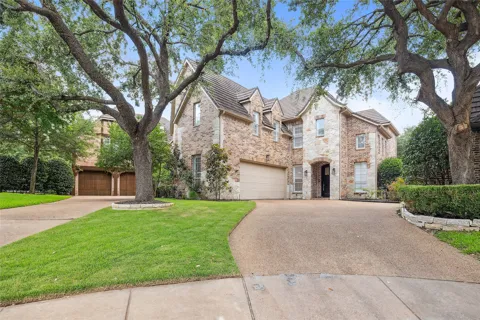
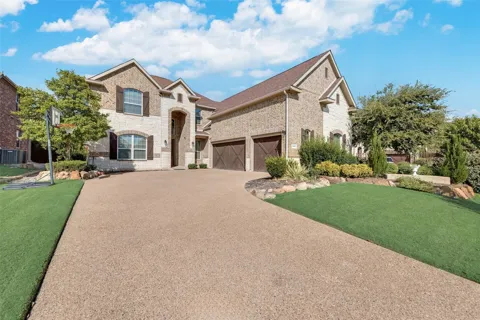
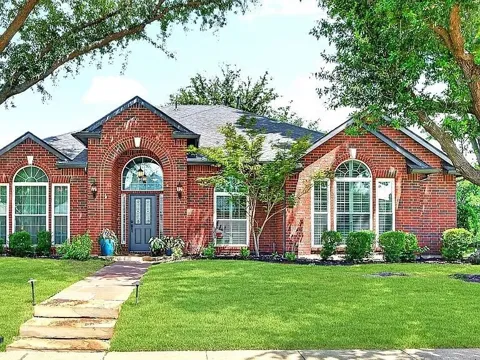
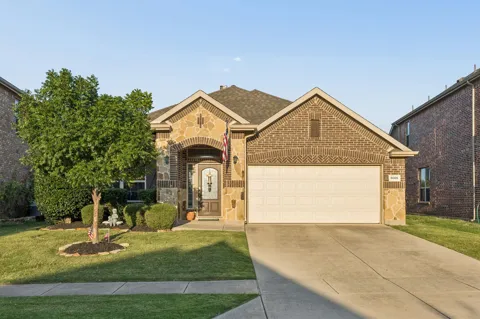
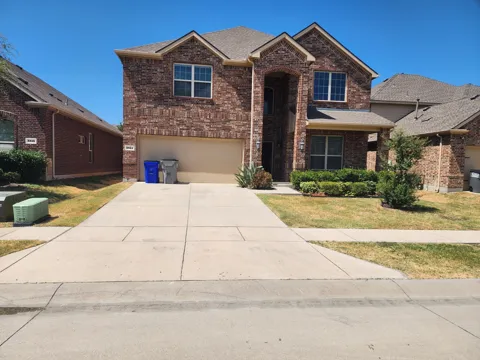
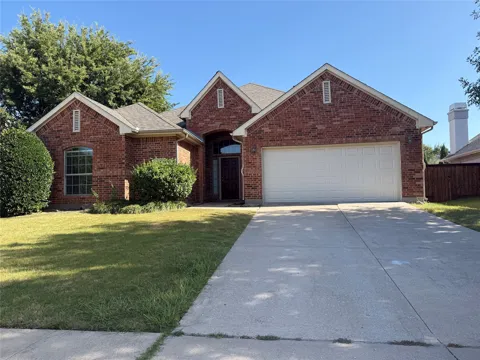
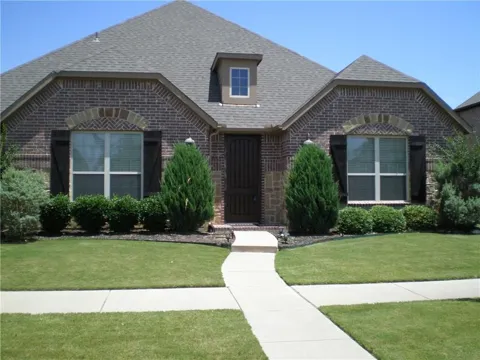
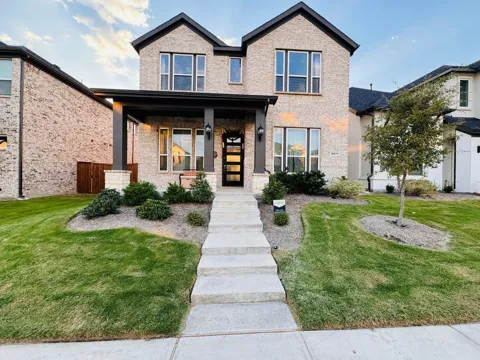
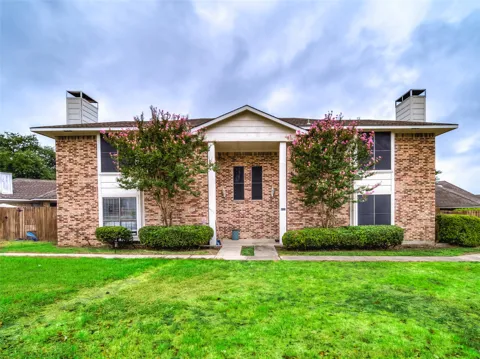
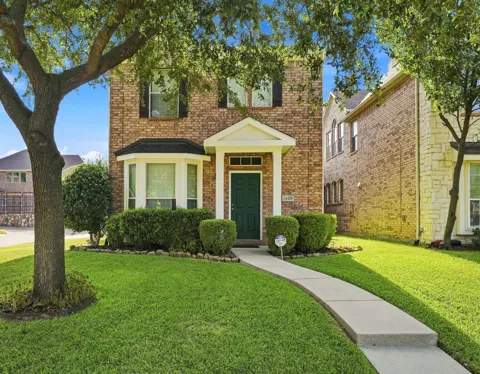
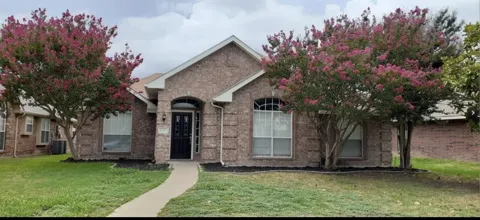
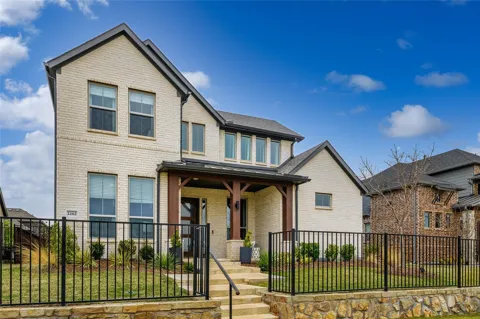
Houses in Frisco, TX
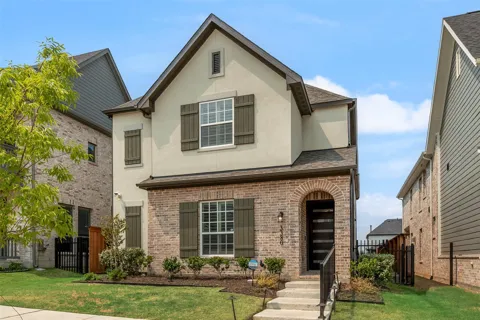
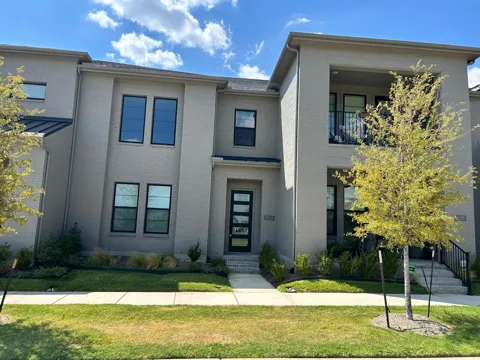
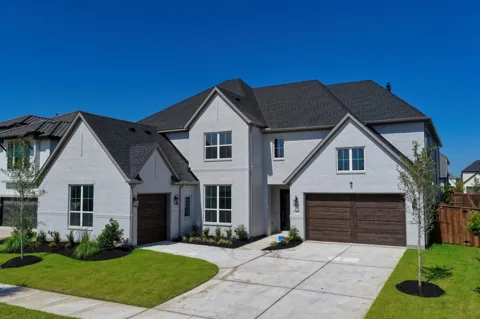
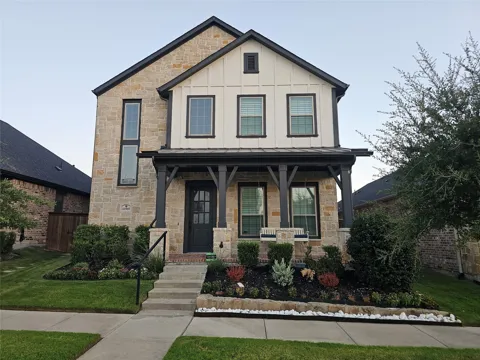
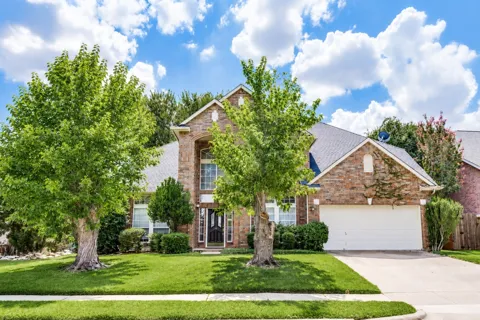
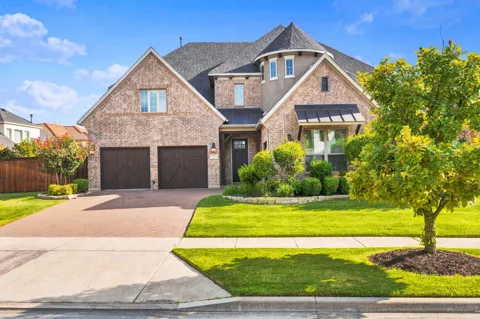
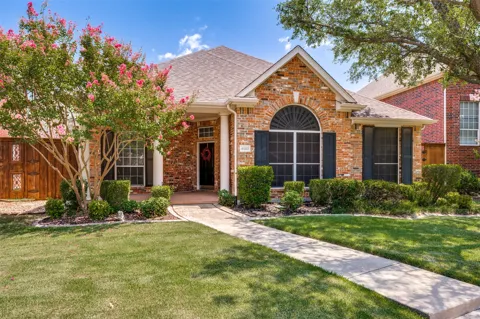
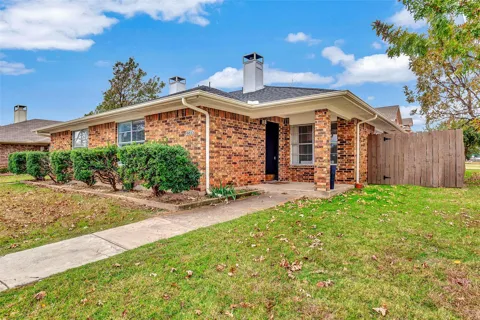
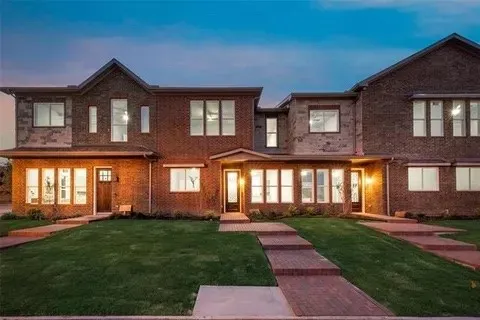
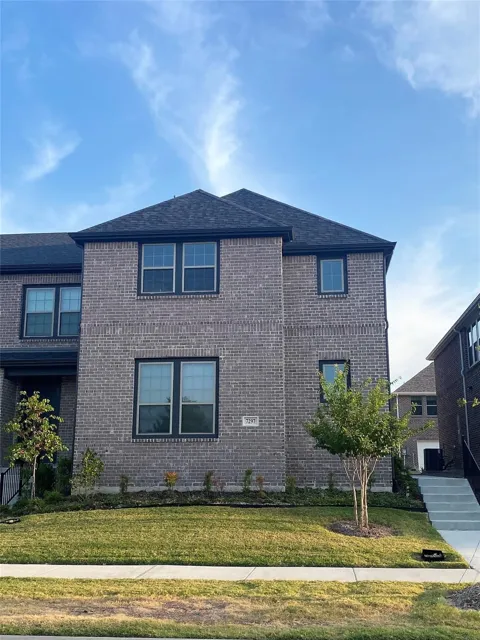
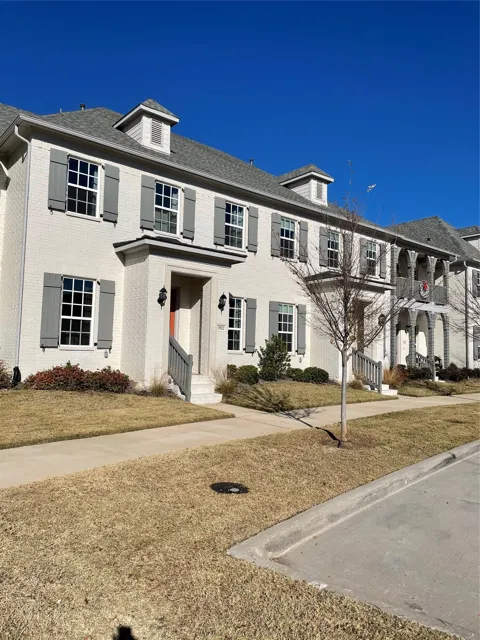
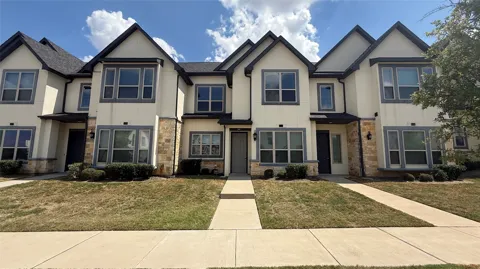
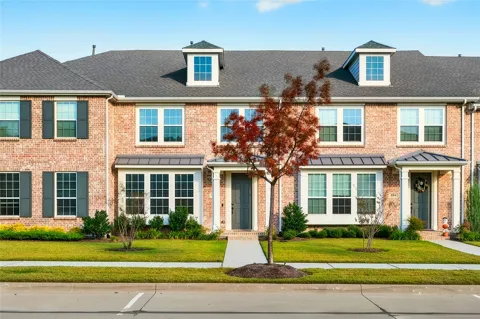
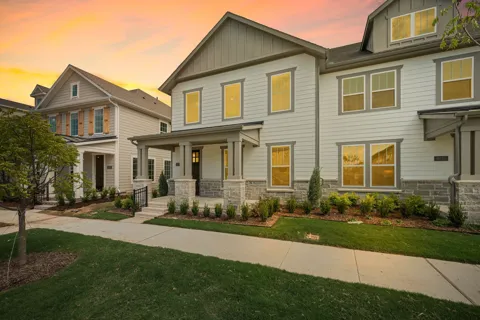
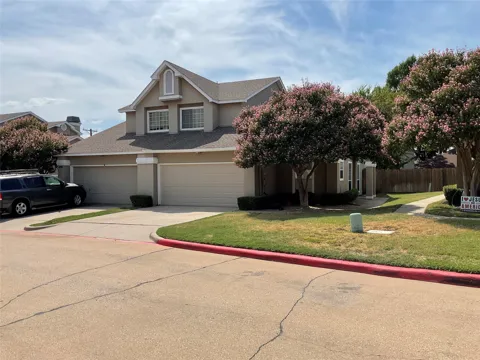
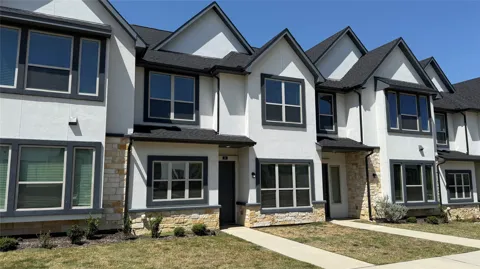
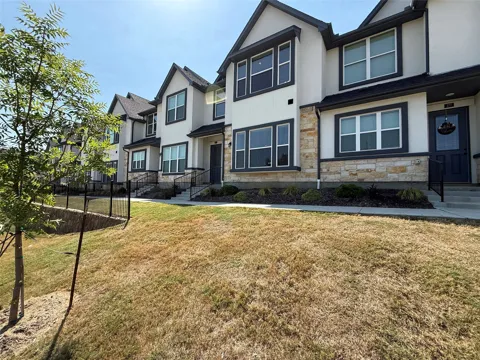
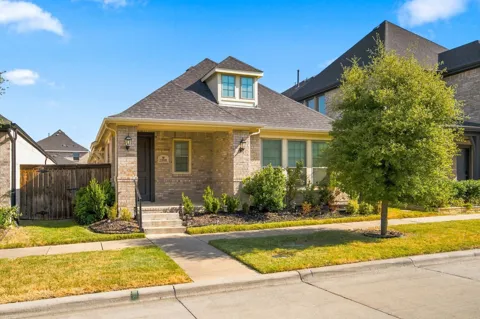
Townhouses & Duplexes in Frisco, TX
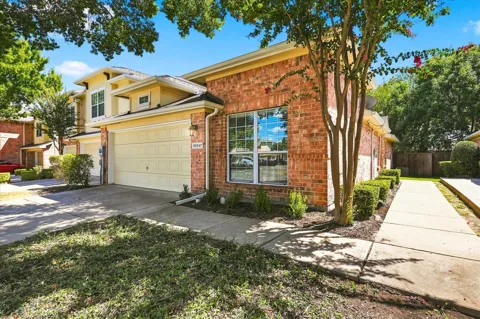
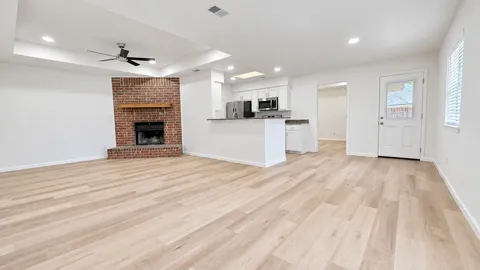

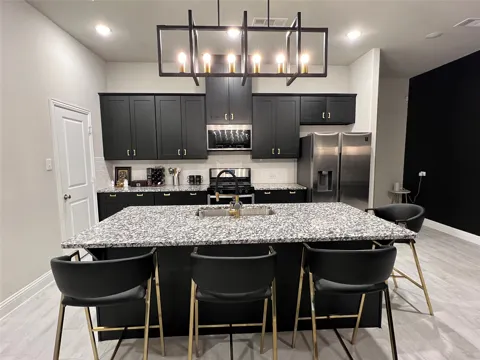
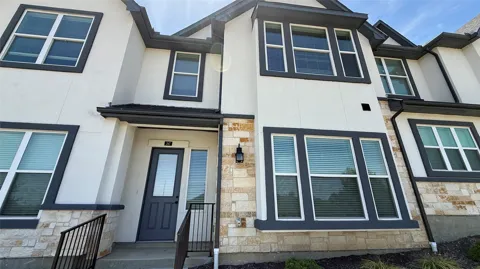
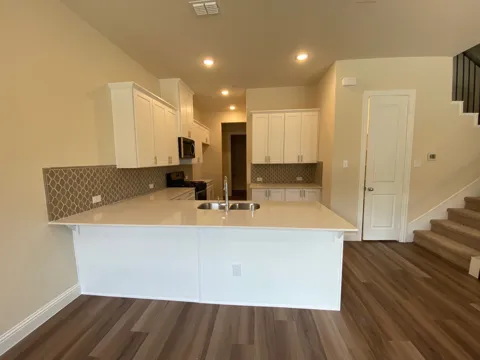
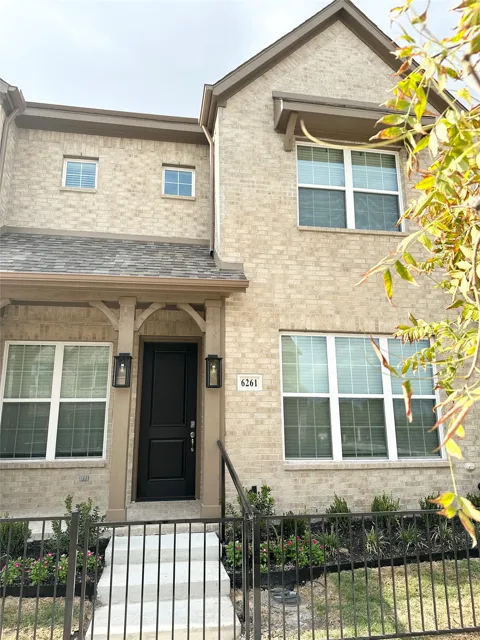
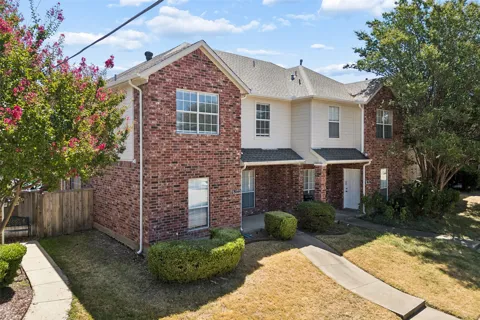
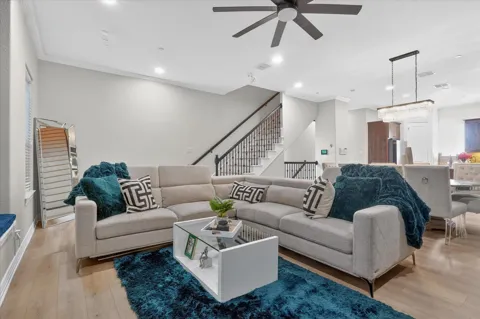
Condos & Apartments in Frisco, TX
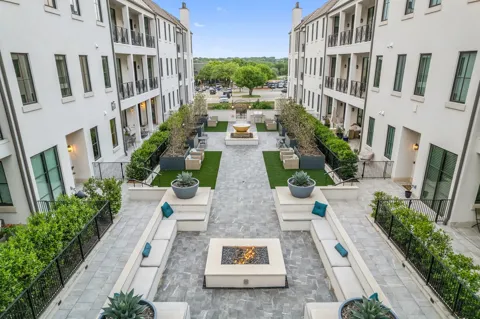
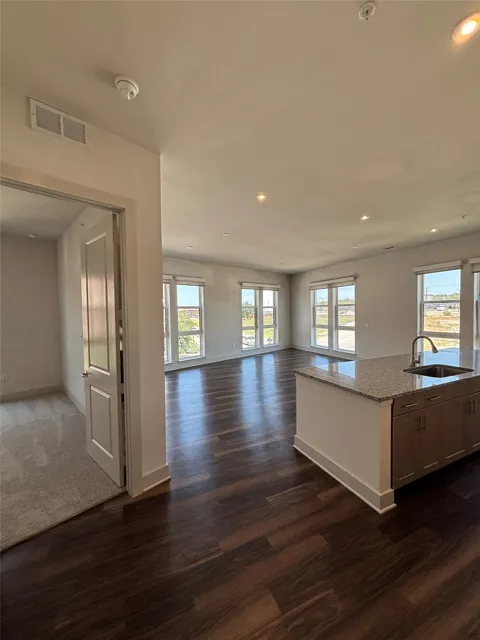
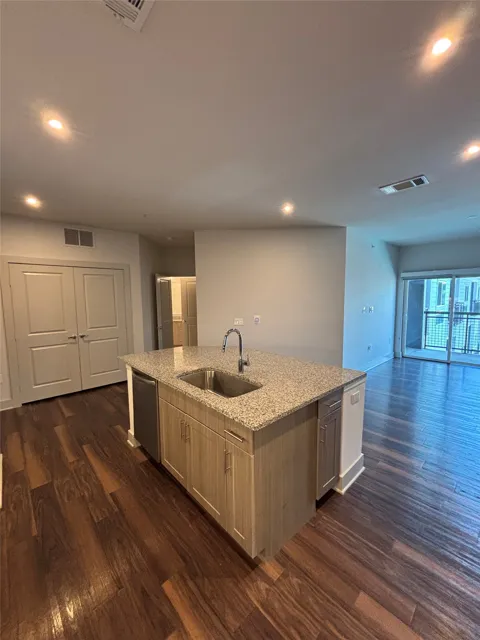
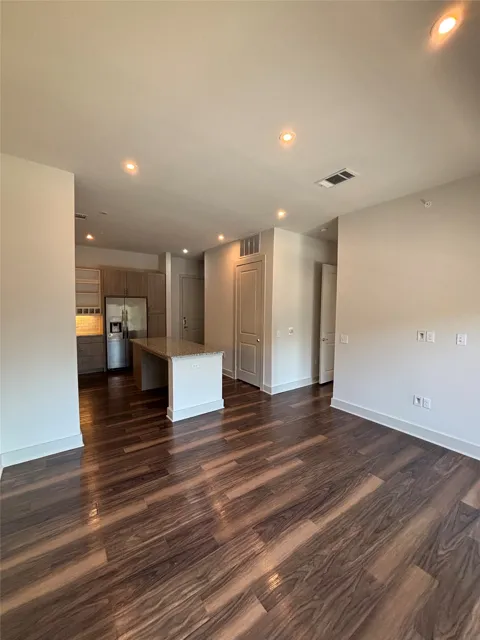
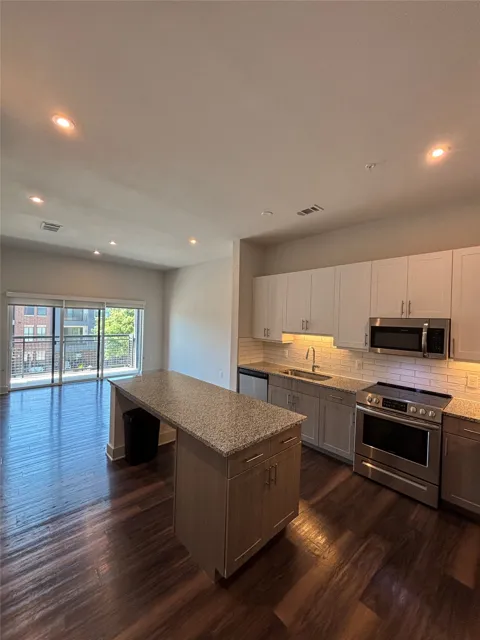
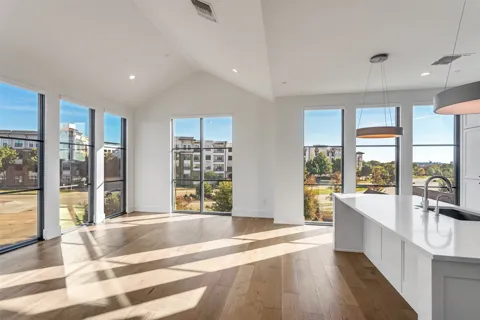
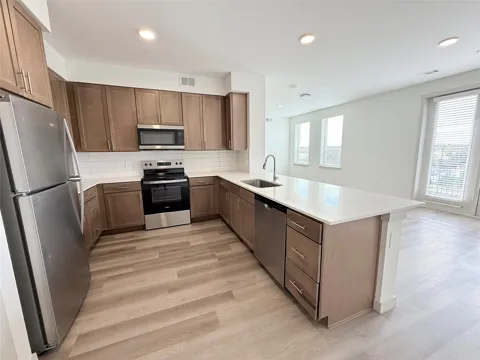
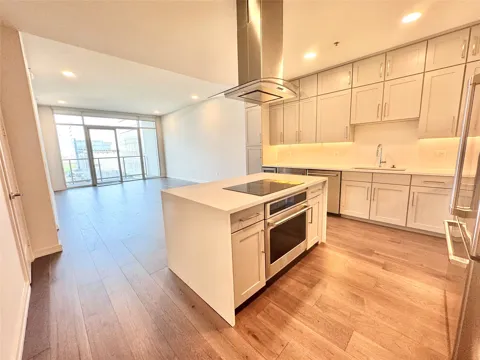
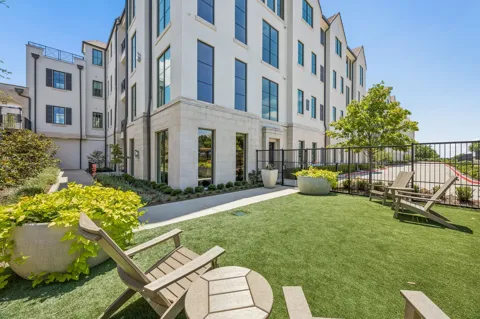
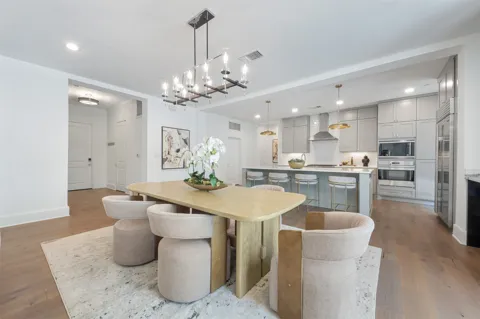
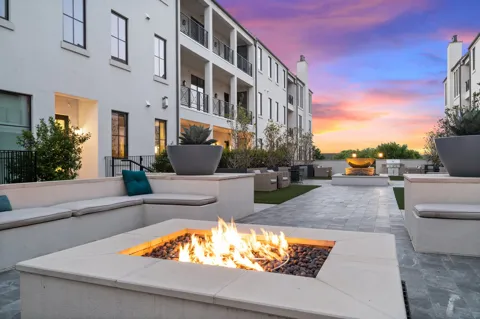
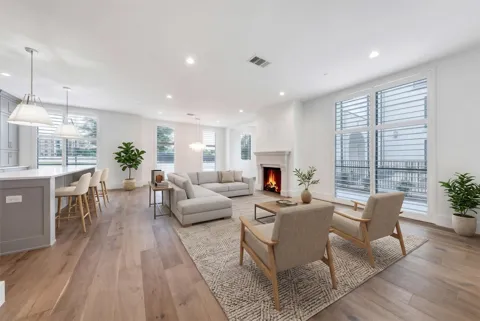
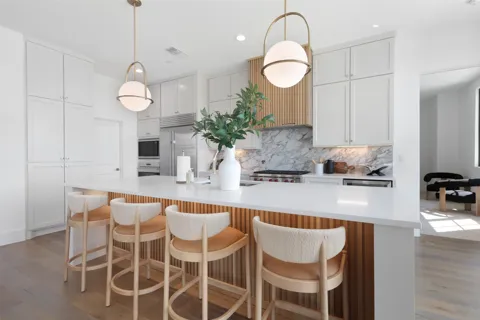

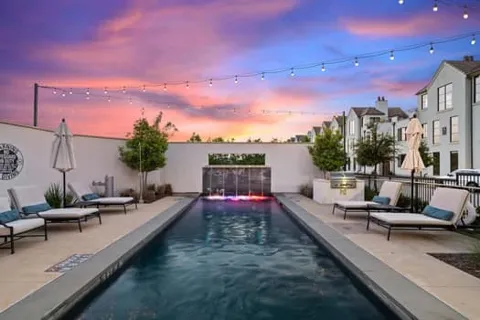
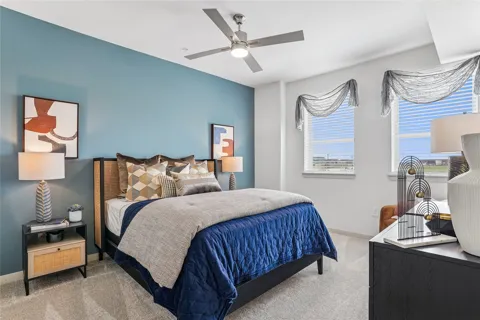
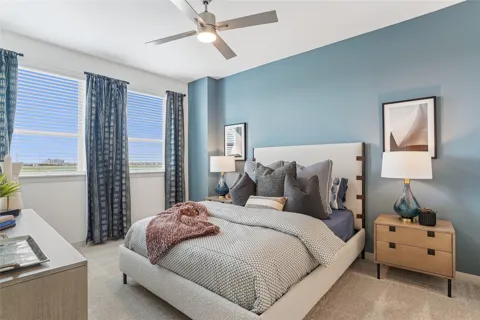
For Rent in Frisco, TX
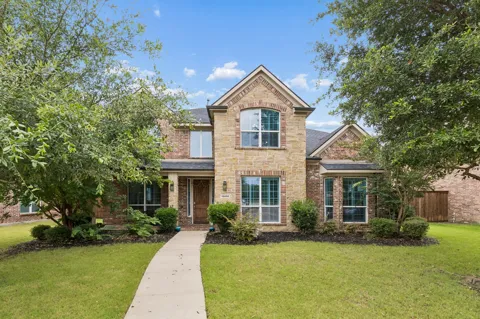
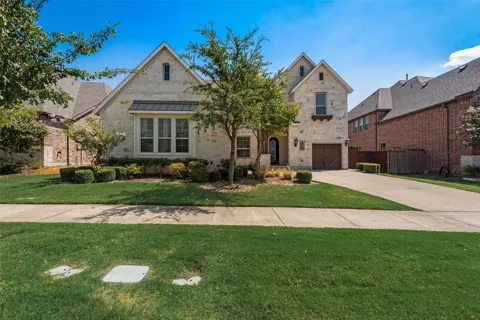
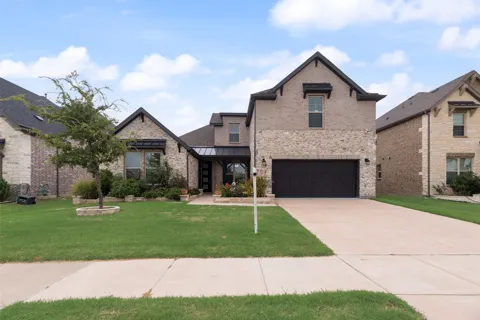
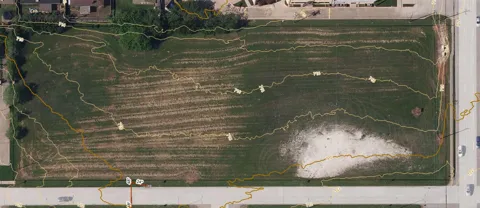
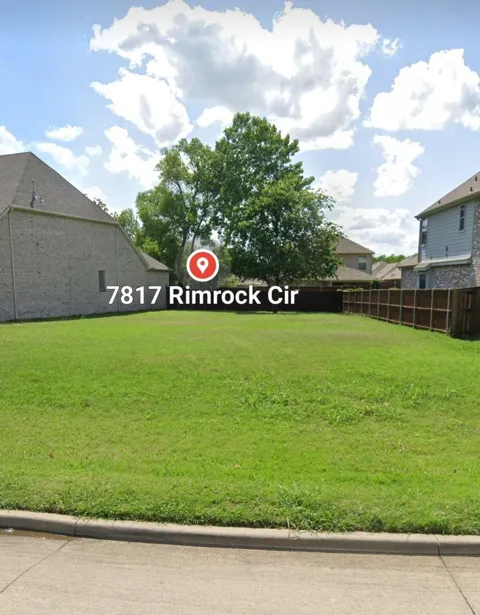
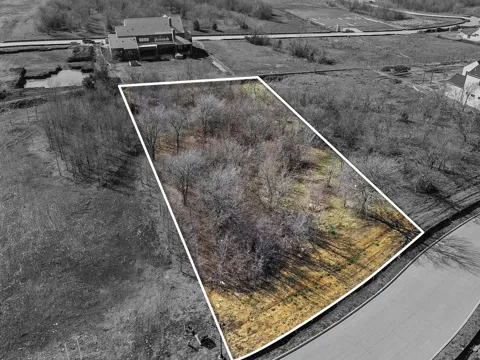
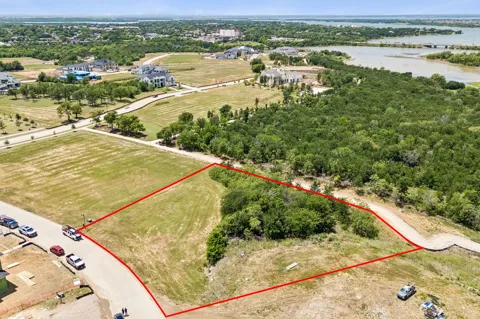
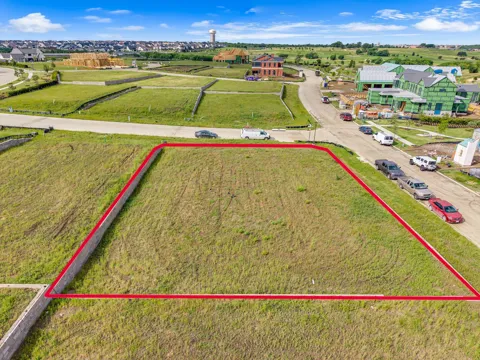
Lots & Land in Frisco, TX

MARKET SNAPSHOT
The Market at a Glance
How homes have been selling here over the last 90 days.
Price & Sales History
Market data reflects closed sales over the last 90 days and is provided for informational purposes.
Zip Codes
BROWSE BY ZIP
Browse listings by postal code in this area.
City Guide
About Frisco
Real Estate & Housing
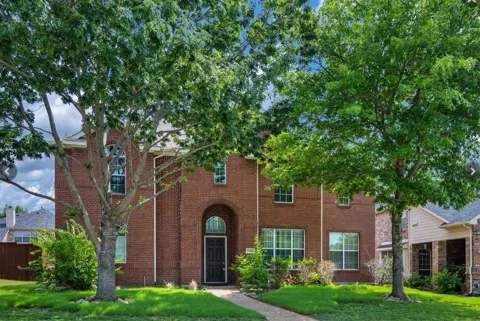
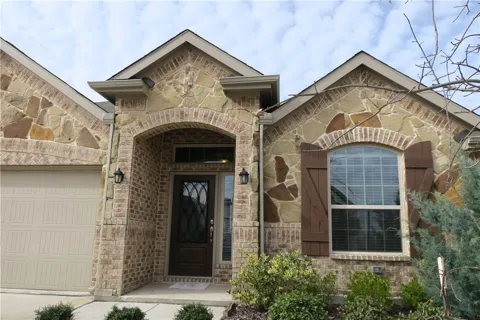
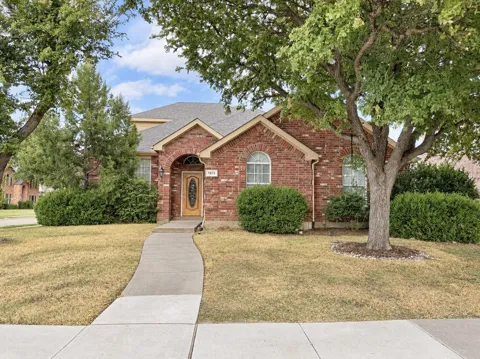
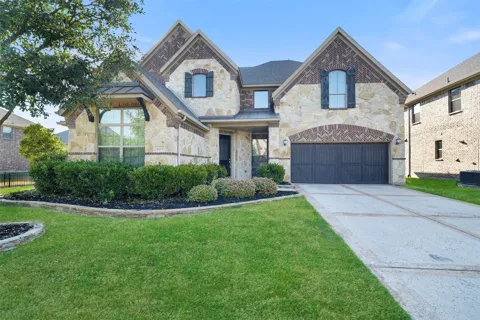
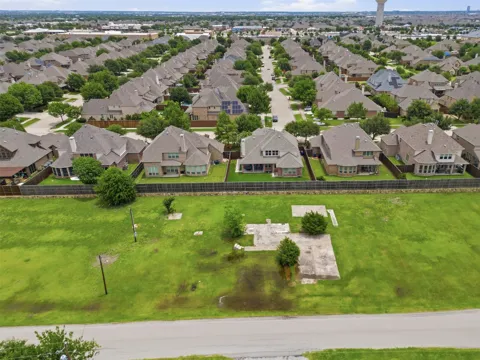
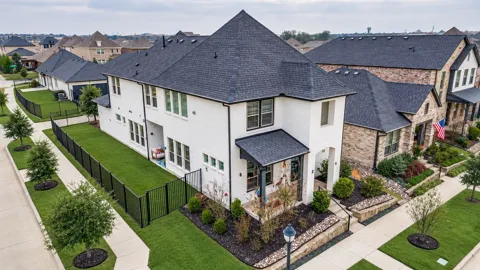
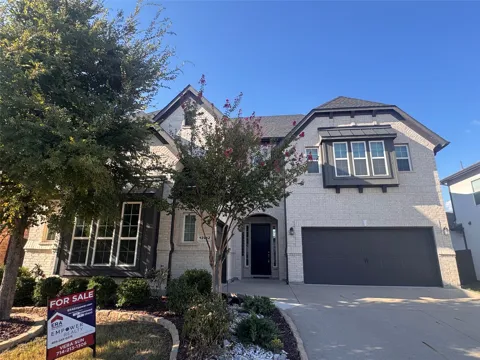
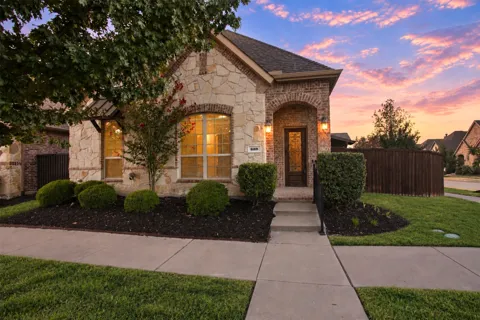
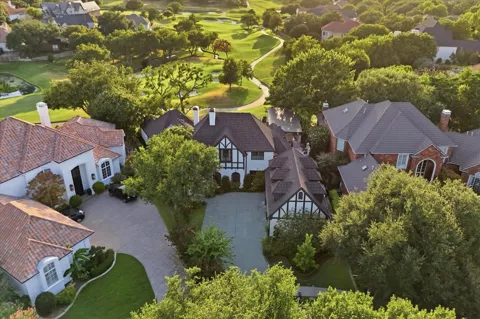
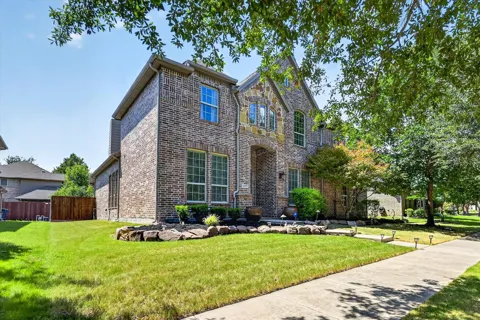
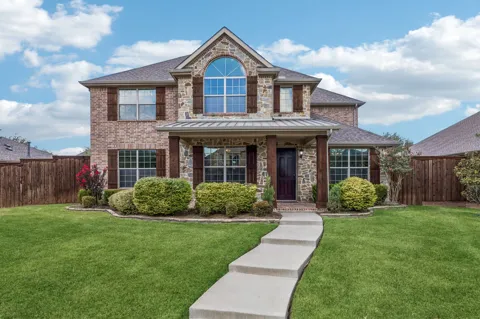
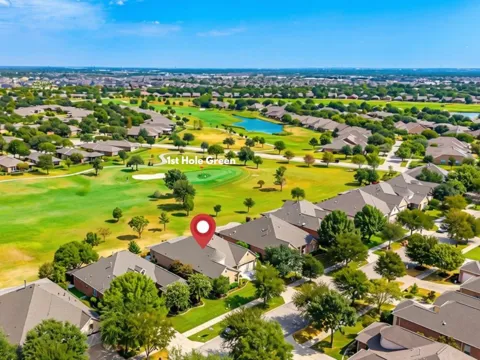
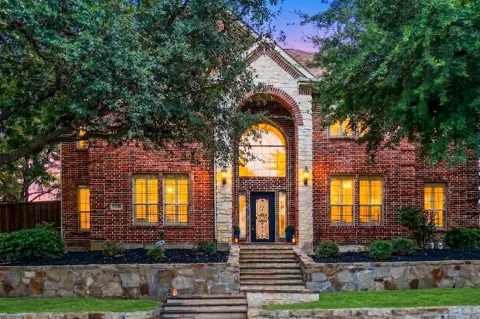
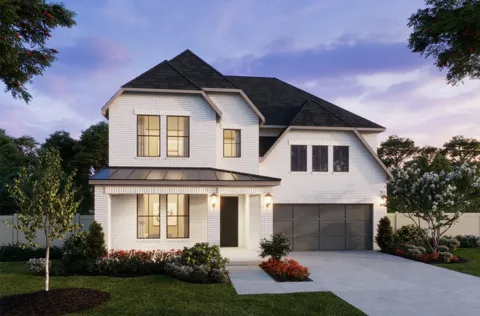
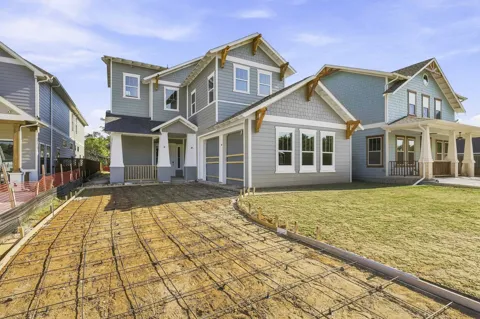
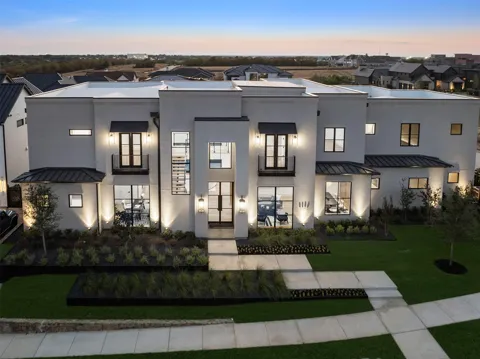
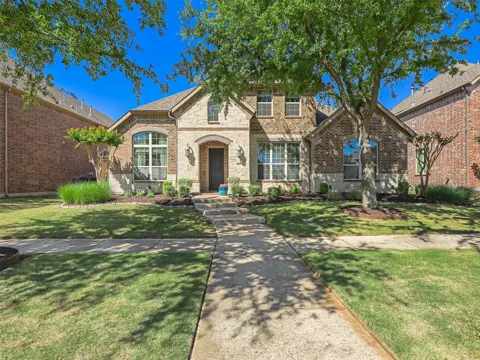
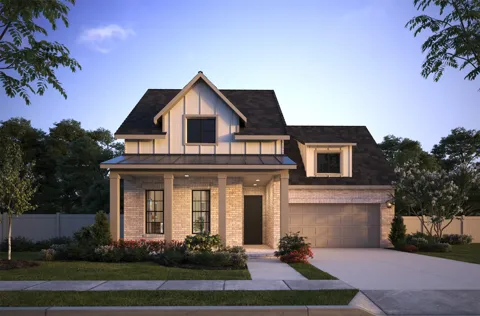
Frisco's housing stock is dominated by newer, master-planned residential development, a product of the city's explosive growth over recent decades. Communities such as Fields — a 2,545-acre master plan integrating homes, commercial space, and recreation — and established developments like Chapel Creek illustrate the range, alongside numerous smaller subdivisions and luxury enclaves. Most housing consists of single-family homes built by multiple builders with varied floor plans and architectural styles, governed by homeowners associations that manage amenities and architectural standards. The market skews toward recent construction, with continued development pushing into the city's northern reaches and into neighboring Prosper and Celina. A smaller inventory of established mid-20th-century homes remains near the original town center.
Neighborhoods
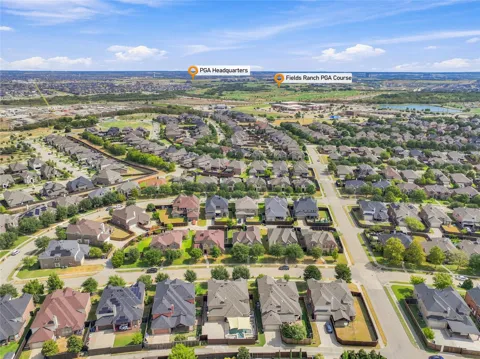
Frisco's residential landscape is organized around large master-planned communities rather than a single traditional grid. Fields, on the city's northern side, is a 2,545-acre master plan designed around live-work-play principles, blending residential neighborhoods with commercial and green space. Chapel Creek is a newer master-planned community known for substantial single-family homes. The original downtown area, known as the Rail District, preserves the city's early-20th-century core and has evolved into a walkable district of shops and restaurants. Beyond these, a wide array of smaller subdivisions and gated luxury communities spread across both Collin and Denton county portions of the city, with new phases continuing to open as the city's growth extends northward toward Prosper and Celina.
Lifestyle in Frisco
Frisco's lifestyle is shaped by sports, family amenities, and master-planned living. The Star anchors a 91-acre mixed-use district where the Dallas Cowboys' headquarters sits alongside restaurants, retail, and a hotel, while Toyota Stadium hosts FC Dallas soccer and the National Soccer Hall of Fame, and the Comerica Center houses the Dallas Stars' practice facility and a public arena. These venues make Frisco a regional destination for tournaments, concerts, and youth athletics. The city pairs that energy with an extensive parks and trail system, major retail and dining districts, and highly regarded schools. For many residents, Frisco combines the scale and amenities of a large suburb with the careful planning and community orientation that have defined its rapid growth.
Schools & Education
Frisco is served primarily by Frisco Independent School District, one of Texas' largest and most highly rated districts. Frisco ISD operates about 77 schools enrolling more than 66,000 students and has received the state's highest accountability rating. The district's footprint includes three shared athletic venues — David Kuykendall Stadium, the Ford Center at The Star, and Toyota Stadium — reflecting the city's deep investment in both academics and athletics. Small portions of Frisco fall within neighboring districts, and families also have access to private and charter options. For higher education, the University of North Texas at Frisco and Collin College provide post-secondary programs within the city, with the broader North Texas university network nearby.
Getting Around
Frisco sits at the intersection of two major North Texas toll corridors. The Dallas North Tollway runs north–south through the heart of the city, providing the primary route toward Dallas, while the Sam Rayburn Tollway (State Highway 121) crosses east–west and connects to the wider metroplex, including Dallas/Fort Worth International Airport roughly 25 miles away. U.S. Highway 380 forms a northern boundary route, and HOV lanes on the tollways support commuters. Public transit options include park-and-ride service, though the city remains largely car-oriented. The tollway network has been widened in recent years to accommodate Frisco's rapid growth, with continued transportation investment planned as the northern suburbs expand.
Parks & Recreation
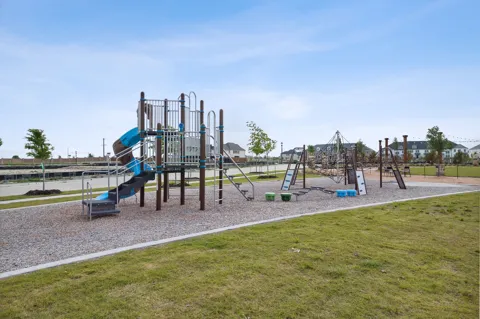
Recreation in Frisco is unusually sports-centered for a city of its size. The Star and Ford Center host events and training activity, Toyota Stadium is the home of FC Dallas and the National Soccer Hall of Fame, and the Comerica Center anchors hockey and community events. Beyond professional venues, the city maintains an extensive system of neighborhood parks, athletic fields, and trails that support youth and recreational leagues. Grand Park, a planned 1,011-acre urban park along the Dallas North Tollway, is designed as a signature regional amenity. Nearby Lake Lewisville extends outdoor options with boating and shoreline recreation, and the city's location in the metroplex puts regional attractions within easy reach.
About Frisco
Frequently asked questions
What county is Frisco, Texas in?
Frisco spans two counties: most of the city lies in Collin County, with portions extending into Denton County. It sits in the northern Dallas–Fort Worth metroplex, about 25 miles north of downtown Dallas.
How far is Frisco from Dallas?
Frisco is about 25 miles north of both downtown Dallas and, to the west, Dallas Fort Worth International Airport and Dallas Love Field. The Dallas North Tollway and Sam Rayburn Tollway provide the main highway connections into the metroplex.
What school district serves Frisco, Texas?
Most of Frisco is served by Frisco Independent School District, one of Texas' most highly regarded districts. Frisco ISD operates about 77 schools enrolling more than 66,000 students and has earned the state's highest accountability rating.
What is Frisco, Texas known for?
Frisco is best known for The Star, the 91-acre world headquarters and practice facility of the Dallas Cowboys, as well as FC Dallas's Toyota Stadium and the Dallas Stars' practice center. The city is also recognized as one of the fastest-growing in the United States.
Is Frisco a fast-growing city?
Frisco's growth has been among the fastest of any large U.S. city, rising from about 200,500 residents in the 2020 census toward continued gains since. Much of that growth is absorbed by master-planned communities such as the 2,545-acre Fields development.
What is there to do in Frisco, Texas?
Frisco's attractions center on sports and recreation, including The Star, Toyota Stadium, and the Comerica Center. The city is also developing Grand Park, a planned 1,011-acre urban park along the Dallas North Tollway, and offers extensive shopping, dining, and trail systems.
Still have questions about Frisco?
Get in touchExplore the area