Oil-Boom Town on I-20
Listings in Ranger, TX
Welcome to Ranger, an Eastland County city on Interstate 20 that rose to fame in the 1917 West Texas oil boom and is home to Ranger College.
Ranger is a city in Eastland County, Texas, set among the rolling, wooded hills of the Cross Timbers region along Interstate 20, roughly midway between Fort Worth and Abilene. Its population is about 2,300. The town's history is inseparable from the Texas oil boom. In October 1917 the McCleskey No. 1 well came in near Ranger, producing up to 1,700 barrels a day and touching off the "Roaring Ranger" boom. Within a few years the area was crowded with wells, drilling crews, and refineries, and Ranger's population may have briefly reached 30,000. The boom made Ranger the first of the great West Texas oil boomtowns, though the surge faded as quickly as it arrived, and the town settled back toward the small scale that defines it today. Ranger's anchor institution is Ranger College, a public community college founded in the aftermath of the boom. Its main campus sits on 50 acres within the city and is among the community's largest employers, and the college provides dual-credit coursework to dozens of surrounding school districts. Ranger ISD operates the local public elementary and secondary schools. Today Ranger is a quiet small town whose economy combines education, local services, and the oil-and-gas and agricultural activity of the surrounding county. Its position on Interstate 20 gives residents direct access to the larger cities on either side of the corridor. The surrounding landscape of wooded, rolling hills and scattered lakes provides the area's recreational backdrop, and the city's historic downtown and preserved boom-era buildings connect the present to its colorful past. For those seeking small-town life with highway access and an educational anchor, Ranger offers a distinctive combination rooted in one of Texas's most storied chapters.
Get more information about Ranger
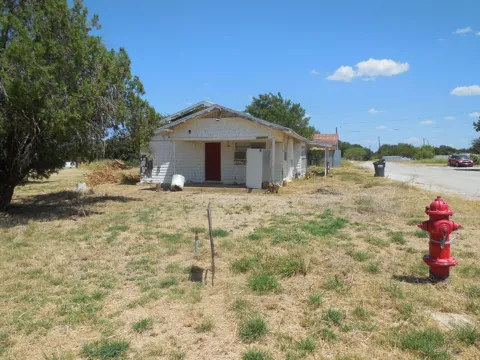
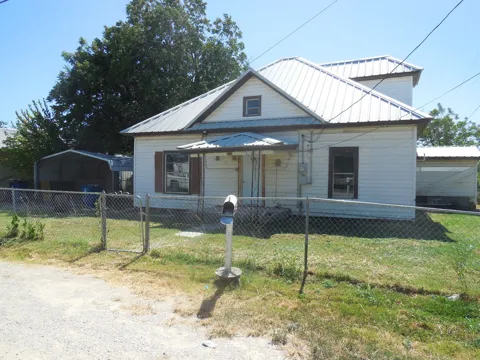
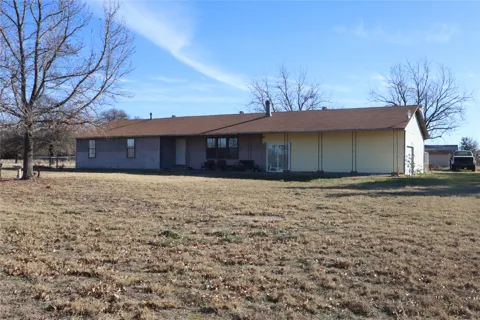
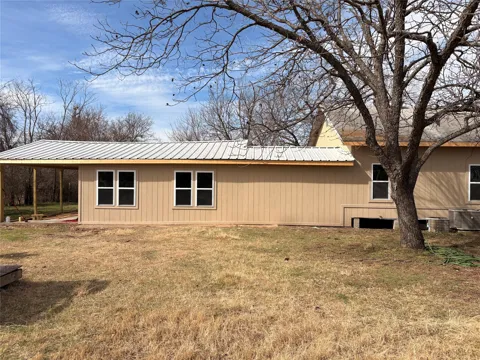
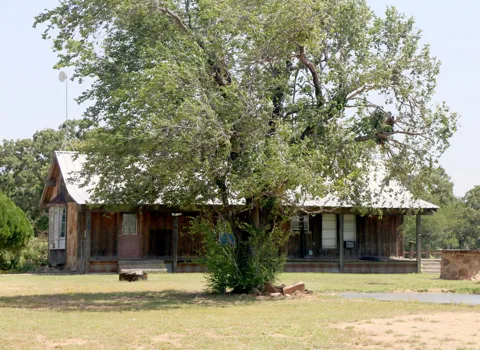
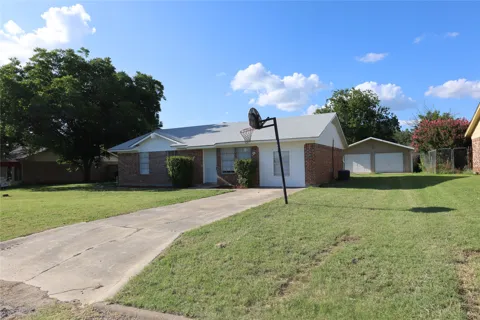
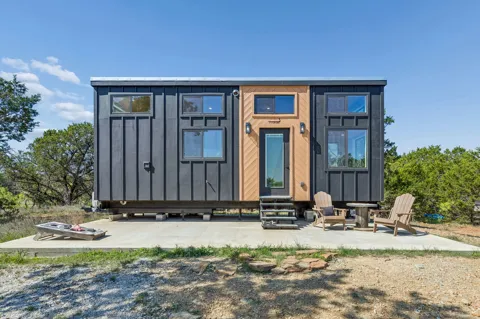
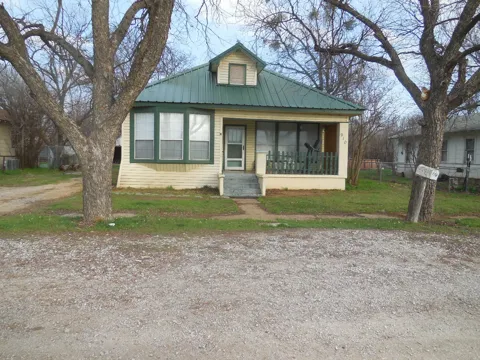
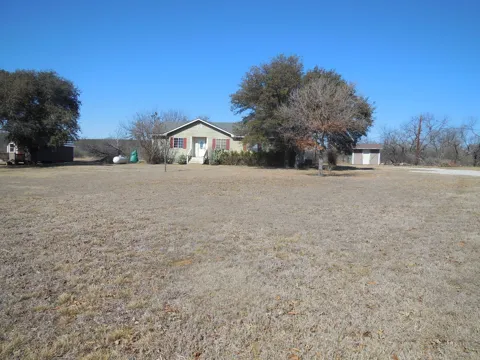
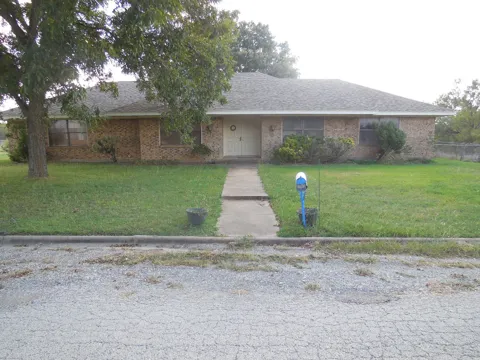
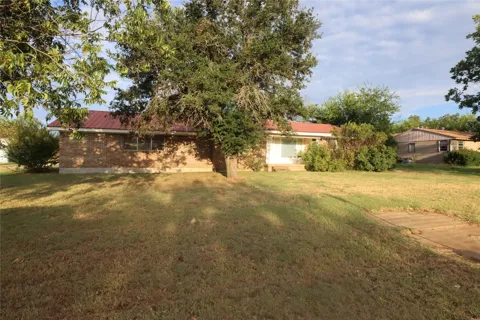
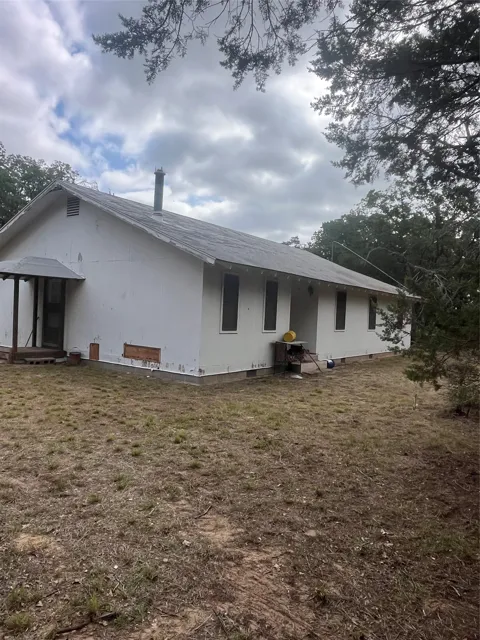
Houses in Ranger, TX

Condos & Apartments in Ranger, TX
For Rent in Ranger, TX
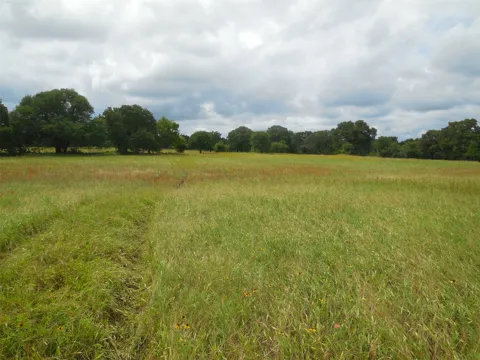
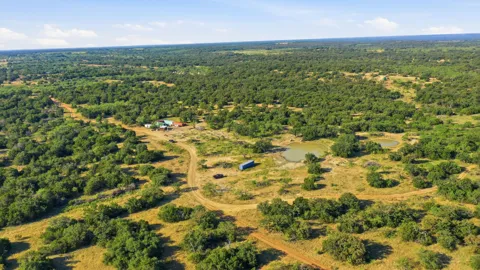
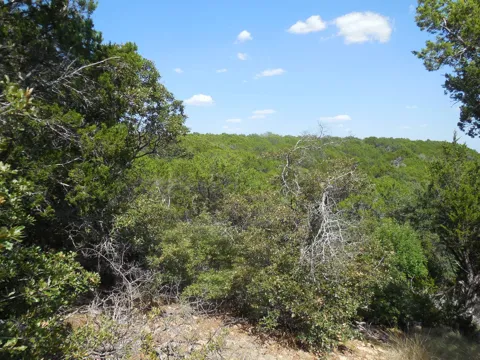
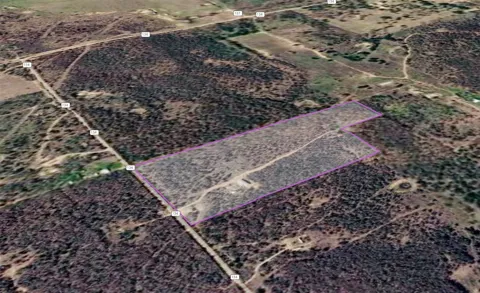
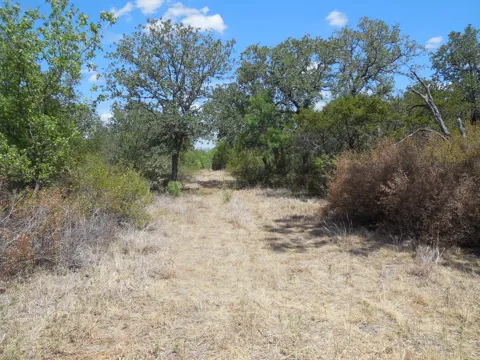
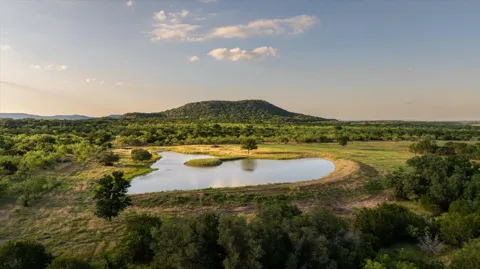
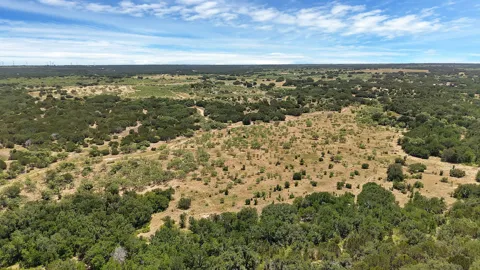
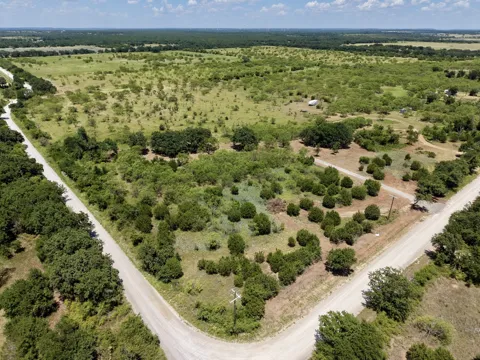
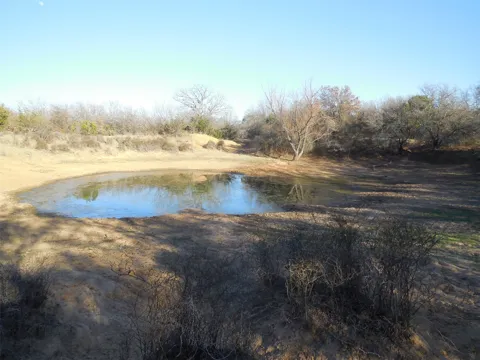
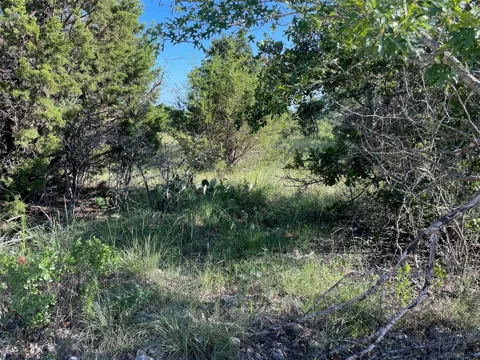
Lots & Land in Ranger, TX
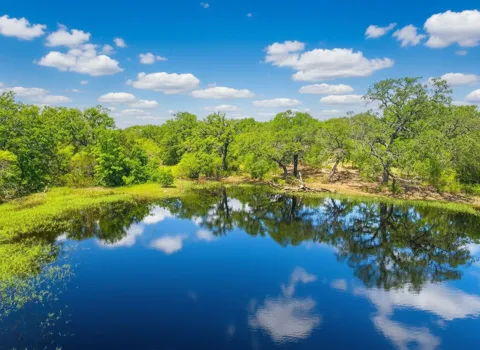
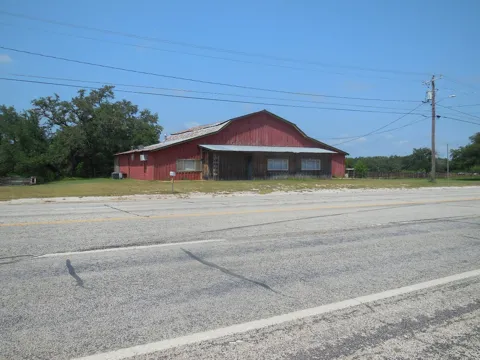
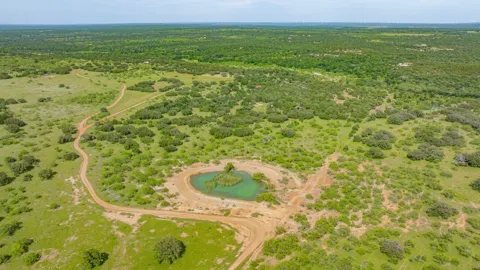
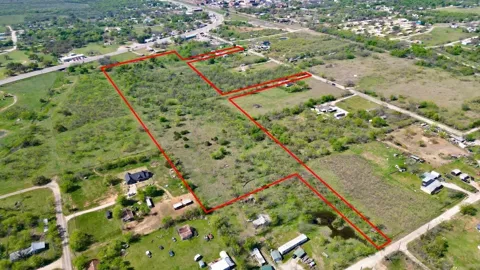
MARKET SNAPSHOT
The Market at a Glance
How homes have been selling here over the last 90 days.
Price & Sales History
Market data reflects closed sales over the last 90 days and is provided for informational purposes.
Zip Codes
BROWSE BY ZIP
Browse listings by postal code in this area.
City Guide
About Ranger
Real Estate & Housing
Ranger's housing stock reflects its boom-and-settlement history. The town is made up largely of modest, older single-family homes, many built during or shortly after the oil era, along with smaller rental housing tied to the college. Lot sizes are typical of a small West Texas town, and the market skews toward established homes rather than new construction. For buyers, Ranger offers traditional small-town housing within reach of Interstate 20 and the larger cities along the corridor.
Neighborhoods
Ranger is organized around its historic downtown and the neighborhoods that fan out from it, with the Ranger College campus occupying a central presence within the city limits. The town's streets retain the layout of a turn-of-the-century Texas settlement, and many homes and commercial buildings date to the oil-boom decades. The compact scale means most of the community is within a short drive of the downtown square, schools, and college.
Lifestyle in Ranger
Ranger offers the unhurried pace of a small Texas college town. Ranger College brings students, faculty, and events to the community, while the town's oil-boom heritage lends a distinctive local identity. Everyday life centers on local schools, churches, and civic activities rather than large-scale commerce, and residents reach broader shopping and medical services along the Interstate 20 corridor in Eastland and the surrounding county.
Schools & Education
Public education in Ranger is provided by Ranger ISD, which operates Ranger Elementary School and the secondary grades for the area. Ranger College, the community's flagship institution, is a public community college whose main campus sits within the city; it offers dual-credit coursework to dozens of area school districts and serves students from across the region. The college's presence gives the town an educational identity that reaches well beyond its own population.
Getting Around
Ranger sits directly on Interstate 20, which places it on the main east–west route between Fort Worth and Abilene. The interstate gives residents straightforward access to the Dallas–Fort Worth metroplex to the east and the Abilene area to the west, while state highways connect the town to the surrounding Eastland County countryside. The city's position along this corridor is one of its most practical assets.
Parks & Recreation
The wooded, rolling hills around Ranger and the scattered lakes of the Cross Timbers region provide the area's outdoor recreation. Fishing, hunting, and boating are common pursuits within a short drive, and nearby lakes and reservoirs serve as weekend destinations. Ranger's own historic preservation efforts celebrate the oil-boom era, and the town's compact, walkable core offers a glimpse of early twentieth-century Texas architecture.
About Ranger
Frequently asked questions
What county is Ranger, Texas in?
Ranger is in Eastland County, in West Central Texas. It lies on Interstate 20 roughly midway between Fort Worth and Abilene, within the rolling, wooded Cross Timbers region, along the area's small-town interstate corridor.
What is Ranger known for?
Ranger is known for the 1917 'Roaring Ranger' oil boom. When the McCleskey No. 1 well came in that October, it triggered a rush that briefly swelled the town's population toward 30,000 and made Ranger the first of the great West Texas oil boomtowns.
What college is located in Ranger?
Ranger College, a public community college, has its main campus on 50 acres within the Ranger city limits. It is among the community's largest employers and provides dual-credit courses to numerous area school districts.
What school district serves Ranger?
Ranger is served by Ranger ISD, which operates Ranger Elementary School and the area's secondary grades. Students also have access to Ranger College's dual-credit and higher-education programs within the city.
Still have questions about Ranger?
Get in touchExplore the area